
Types of Peppers: A Guide from Mild to Wild
A Diverse and Colorful Group of Fruits
Peppers come in an incredible variety of colors, flavors, shapes and heat levels. From sweet bell peppers with zero Scoville Heat Units to fiery habaneros and superhot Carolina Reapers, the many types of peppers offer something for every taste. Whether you're looking for a pepper for stuffing, grilling, pickling, sauces or serious heat, understanding their flavor and Scoville rating can help you choose the right one.
Bell peppers, mild and crunchy, are perfect for salads and stir-fries. Jalapeños add a kick to salsas and nachos, while the smoky chipotle, a dried and smoked jalapeño, is a BBQ favorite. Serranos, smaller and hotter than jalapeños, elevate guacamole to new heights. The Scotch bonnet and habanero, with their fruity heat, are staples in Caribbean dishes. Then there's the infamous Carolina Reaper, once recognized as the world's hottest pepper, with heat that reaches well into the millions on the Scoville scale. Introduced to Europe by Spanish explorers, peppers quickly spread across the globe, becoming integral to various culinary traditions. Today, they're not just about heat; they add depth, color, and complexity to countless recipes, proving that a little spice makes everything nice.
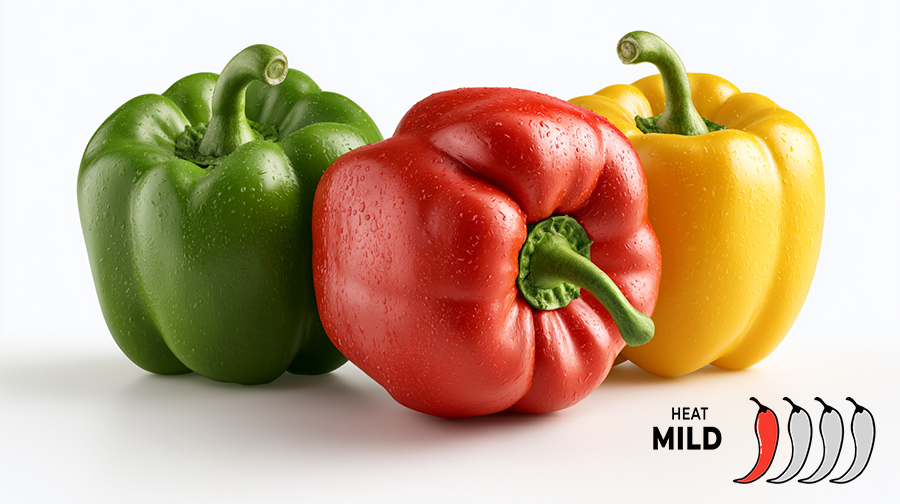
BELL PEPPER
SHU Score: 0
Description: Yellow; 2–3 inches; mild, tangy
Common Uses: Pickling, salads, sandwiches
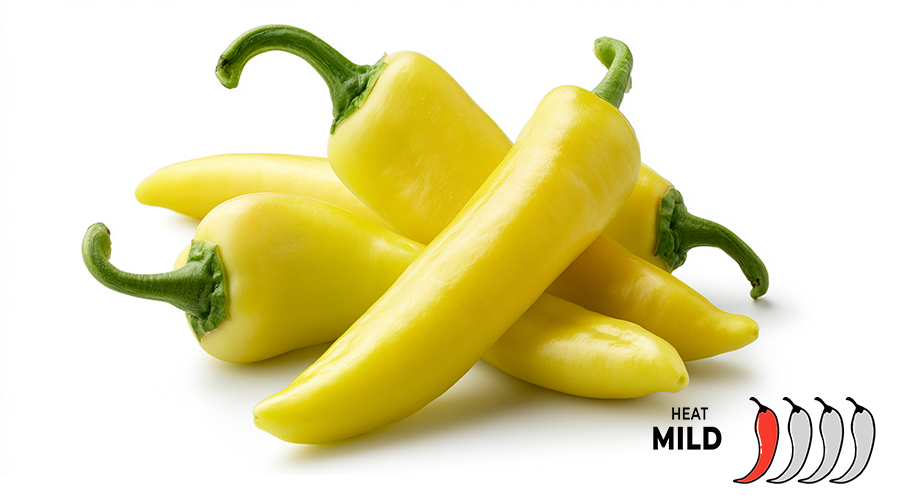
Banana Pepper
SHU Score: 0–500
Description: Yellow; 2–3 inches; mild, tangy
Common Uses: Pickling, salads, sandwiches
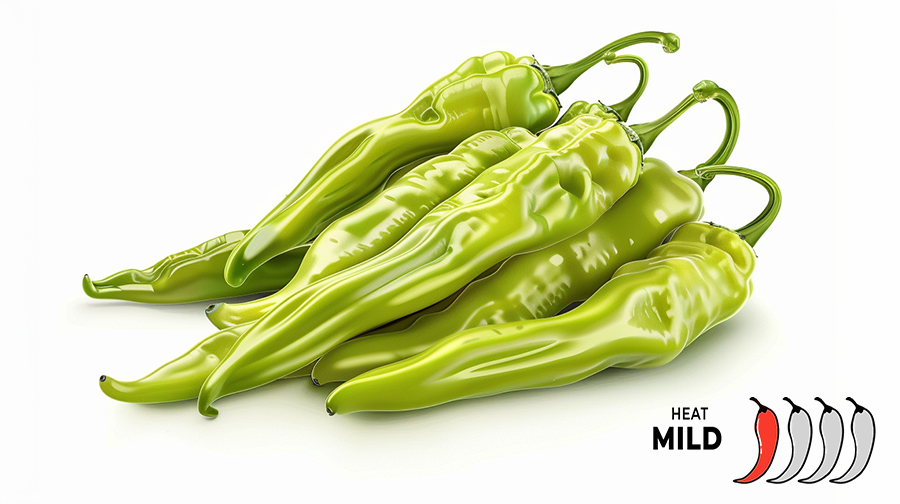
Shishito Pepper
SHU Score: 100–1,000
Description: Yellow; 2–3 inches; mild, tangy
Common Uses: Grilling, frying, appetizers
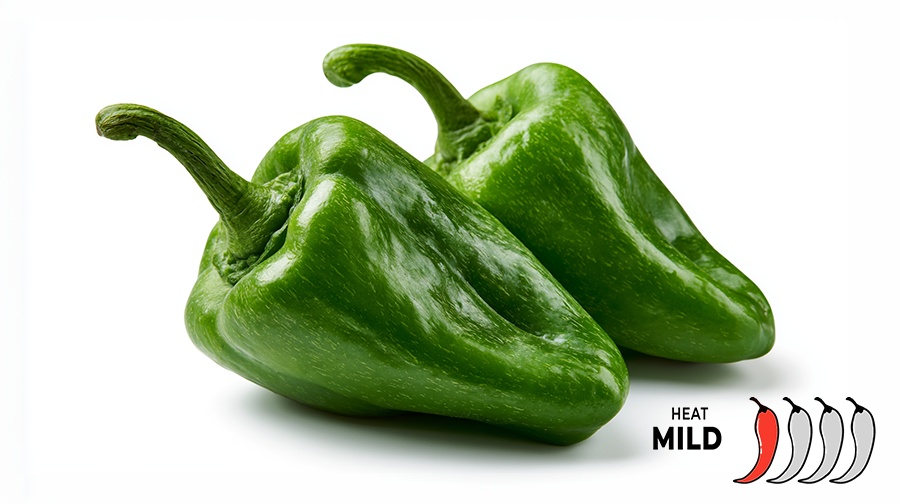
Poblano Pepper
SHU Score: 1,000–2,000
Description: Yellow; 2–3 inches; mild, tangy
Common Uses: Stuffing, roasting, sauces
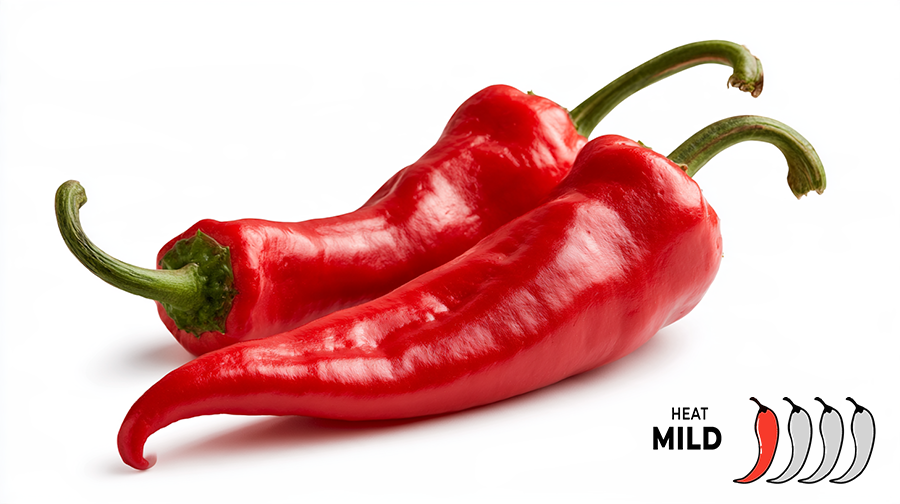
Anaheim Pepper
SHU Score: 500–2,500
Description: Green or red; 6–10 inches; mild heat, long shape
Common Uses: Stuffing, roasting, grilling
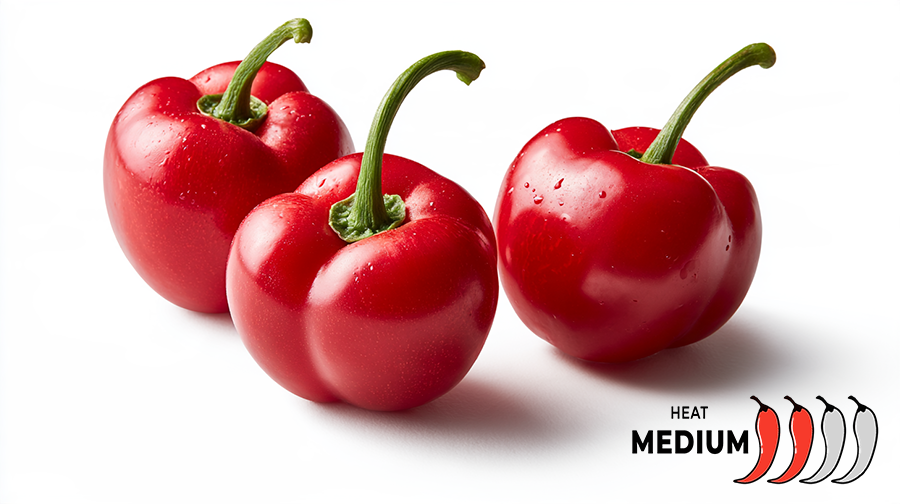
Cherry Pepper
SHU Score: 2,500–5,000
Description: Red, green; 1–2 inches; medium heat, round shape
Common Uses: Pickling, salads, stuffing
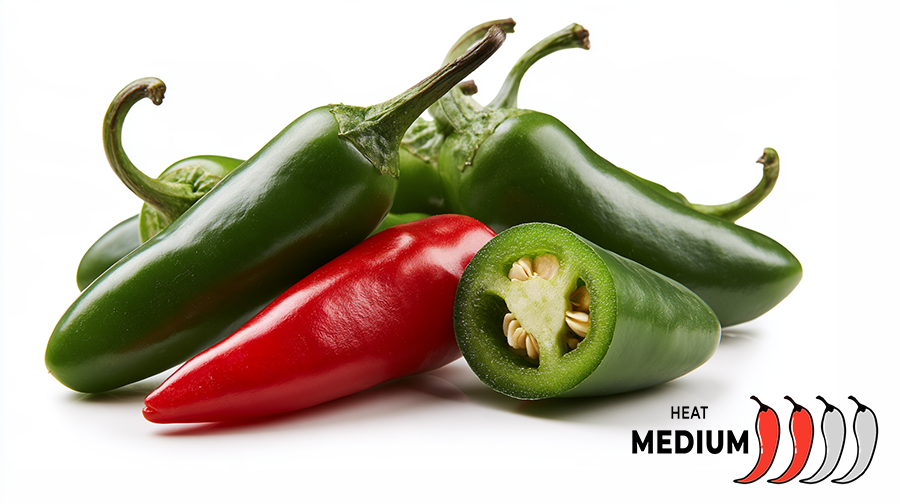
Jalapeño PEPPER
SHU Score: 2,500–8,000
Description: Green, red; 2–3 inches; medium heat, smooth skin
Common Uses: Salsas, pickling, stuffing
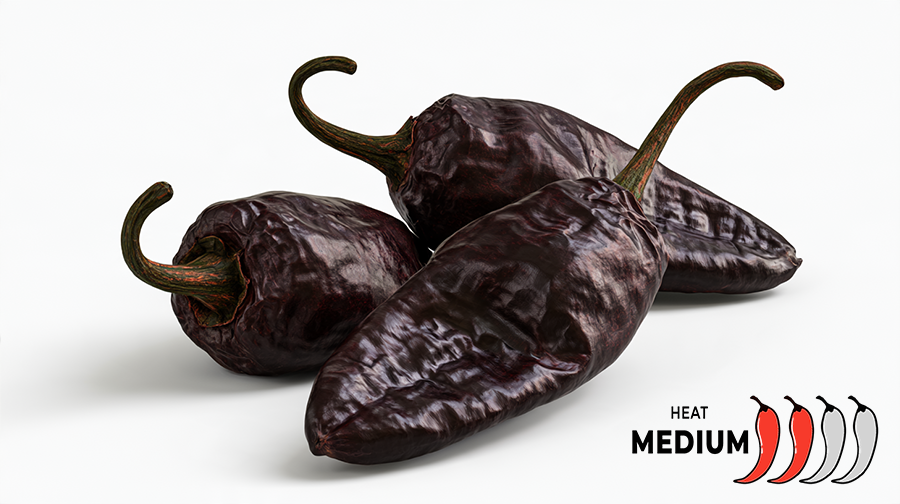
Chipotle Pepper
SHU Score: 2,500–8,000
Description: Red-brown; 2–3 inches; medium heat, smoky flavor
Common Uses: Sauces, marinades, grilling
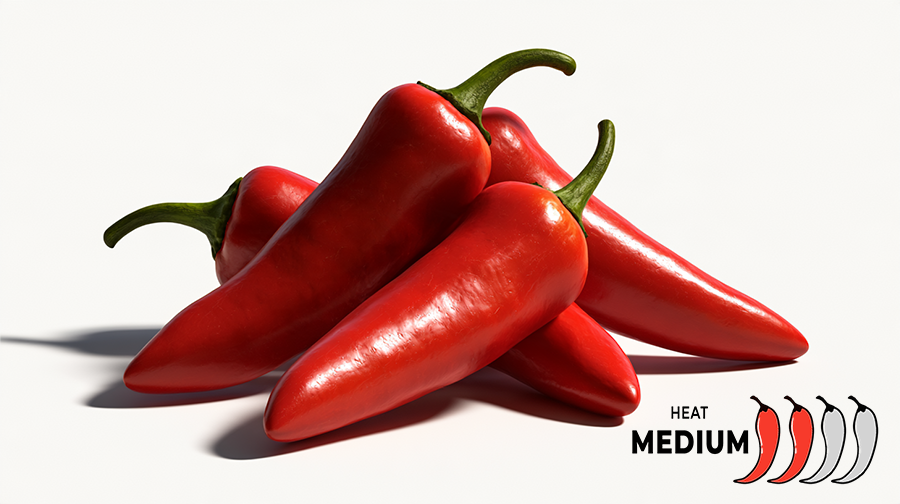
Fresno Pepper
SHU Score: 2,500–10,000
Description: Green or red; 2–3 inches; medium heat, smooth
Common Uses: Salsas, sauces, pickling
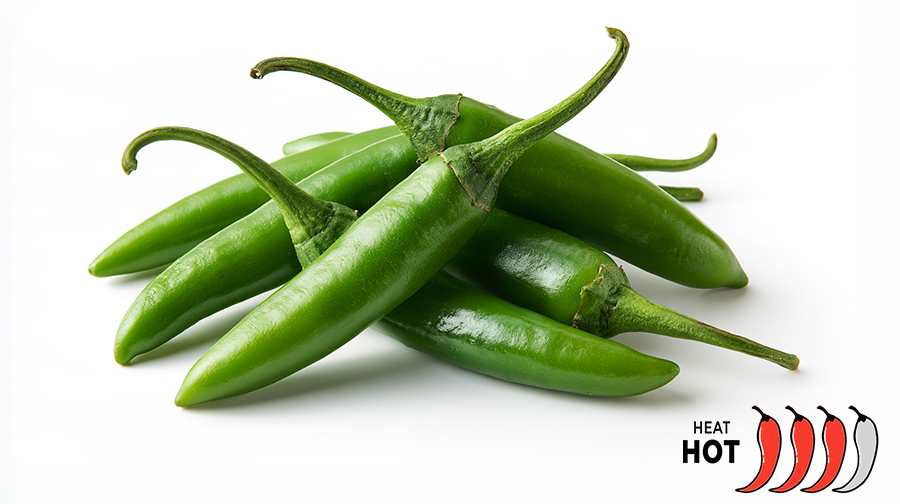
Serrano Pepper
SHU Score: 10,000–23,000
Description: Green, red; 1–2 inches; hot, thin skin
Common Uses: Salsas, sauces, pickling
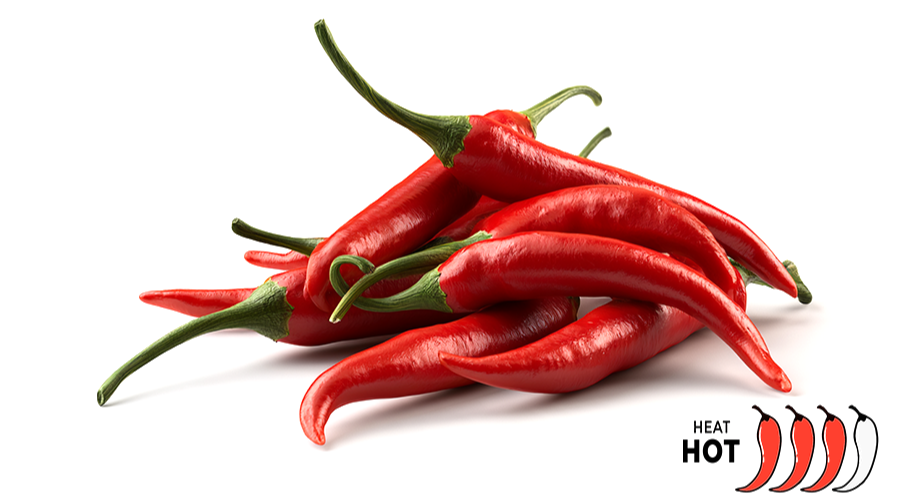
Cayenne Pepper
SHU Score: 30,000–50,000
Description: Red; 3–5 inches; hot, wrinkled skin
Common Uses: Spices, sauces, hot sauces
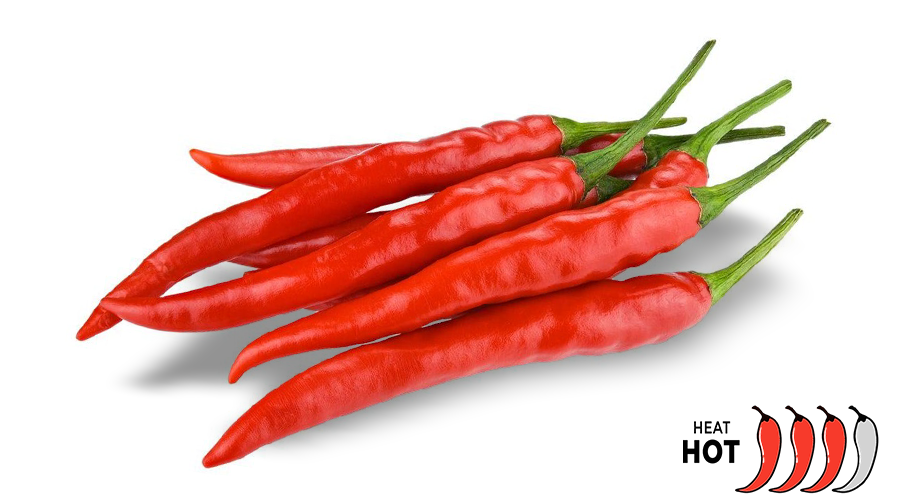
Thai Pepper
SHU Score: 50,000–100,000
Description: Red, green; 1–2 inches; very hot, thin skin
Common Uses: Stir-fries, sauces, curries
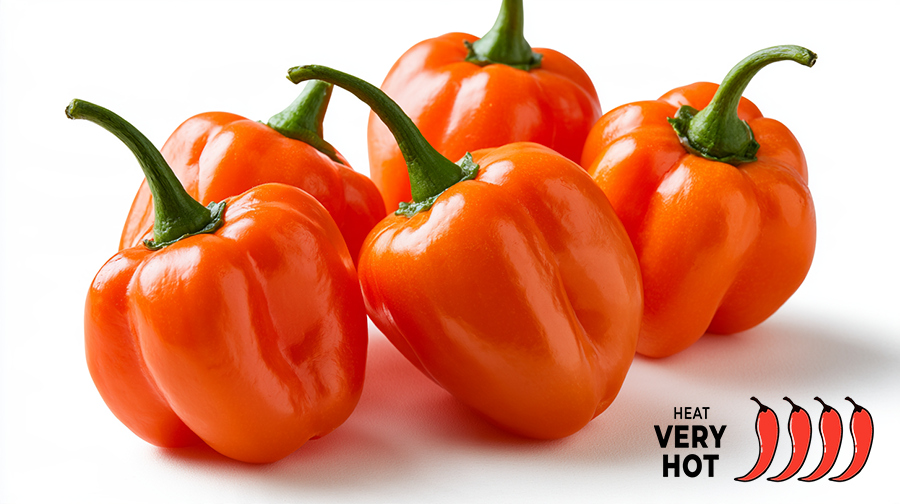
Habanero Pepper
SHU Score: 100,000–350,000
Description: Orange, red, yellow; 1–2 inches; very hot, fruity flavor
Common Uses: Hot sauces, salsas, marinades
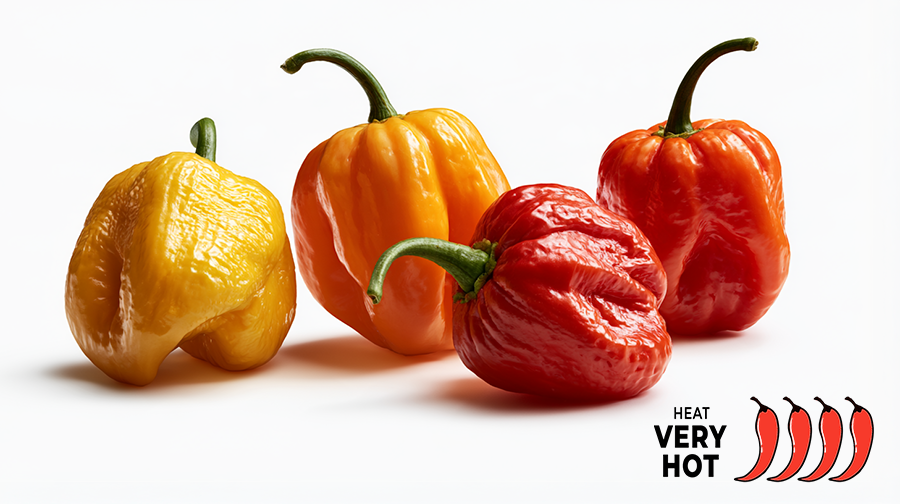
Scotch Bonnet
SHU Score: 100,000–350,000
Description: Red, orange, yellow; 1–2 inches; very hot, fruity flavor
Common Uses: Hot sauces, Caribbean dishes
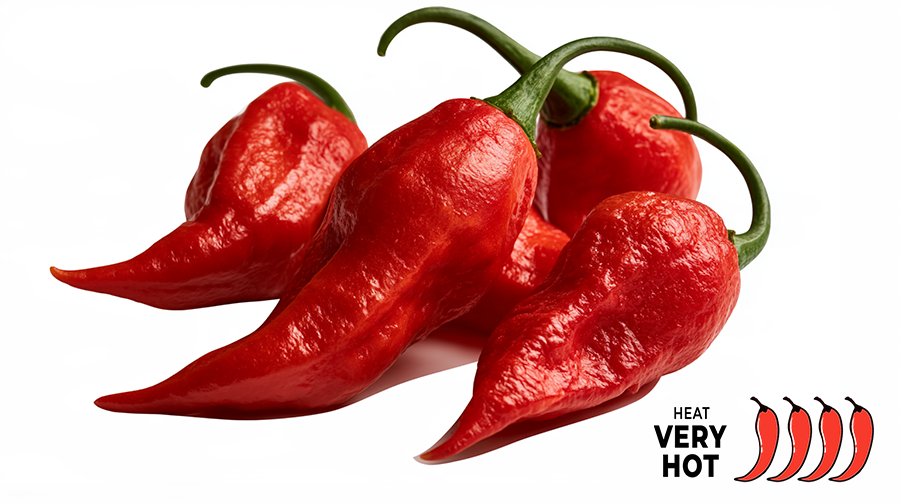
Ghost Pepper
SHU Score: 800,000–1,041,427
Description: Red, orange; 2–3 inches; extremely hot, bumpy skin
Common Uses: Extreme hot sauces, pepper challenges
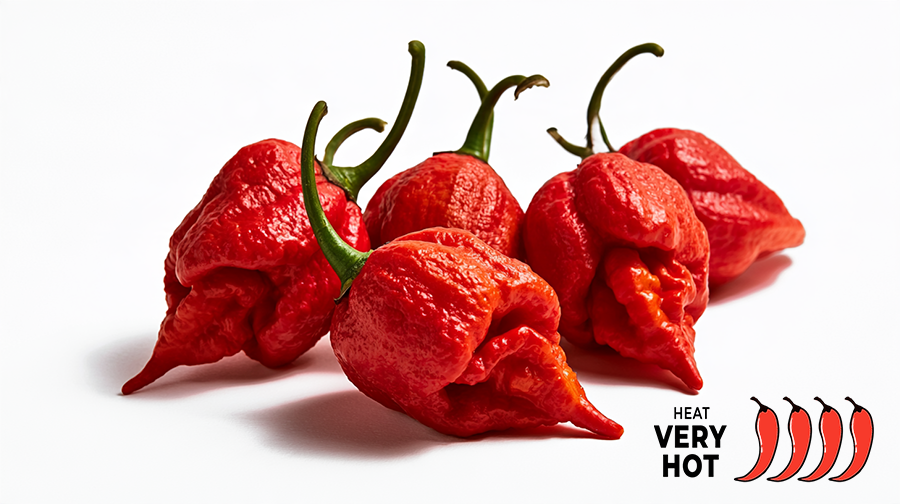
Carolina Reaper
SHU Score: 1,400,000–2,200,000
Description: Red; 2–3 inches; extremely hot, bumpy skin
Common Uses: Extreme hot sauces, pepper challenges
The SHU: Scoville Heat Unit Scale
16,000,000 — Pure capsaicin
5,300,000 — Pepper spray
2,700,000 — Pepper X
2,200,000 — Carolina Reaper
800,000–1,041,427 — Ghost Pepper
100,000–350,000 — Habanero
50,000–100,000 — Thai Pepper
30,000–50,000 — Cayenne
10,000–23,000 — Serrano
2,500–8,000 — Jalapeño
1,000–2,000 — Poblano Pepper
0 — Bell Pepper
Ever wondered why your friend can chomp on a jalapeño like it's an apple while you're left gasping for water after a single bite? Enter the Scoville Heat Units (SHU) scale, the ultimate measure of chili pepper spiciness.
The Scoville scale, the spicy ruler of chili peppers, ranges from a mild 0 to a tongue-blistering 16 million Scoville Heat Units (SHU). Fast forward to October 2023, and guess what?
The Pepper X takes the crown as the hottest pepper on the planet, clocking in at just under a scorching 2.7 million SHU. This fiery beast was cultivated by none other than Ed Currie of the PuckerButt Pepper Company down in South Carolina. Ed's no stranger to heat; back in 2013, he set the world on fire with his Carolina Reaper, which hit a whopping 2.2 million SHU. Now, he's outdone himself with the Pepper X, proving he's still the reigning champ of chili peppers.
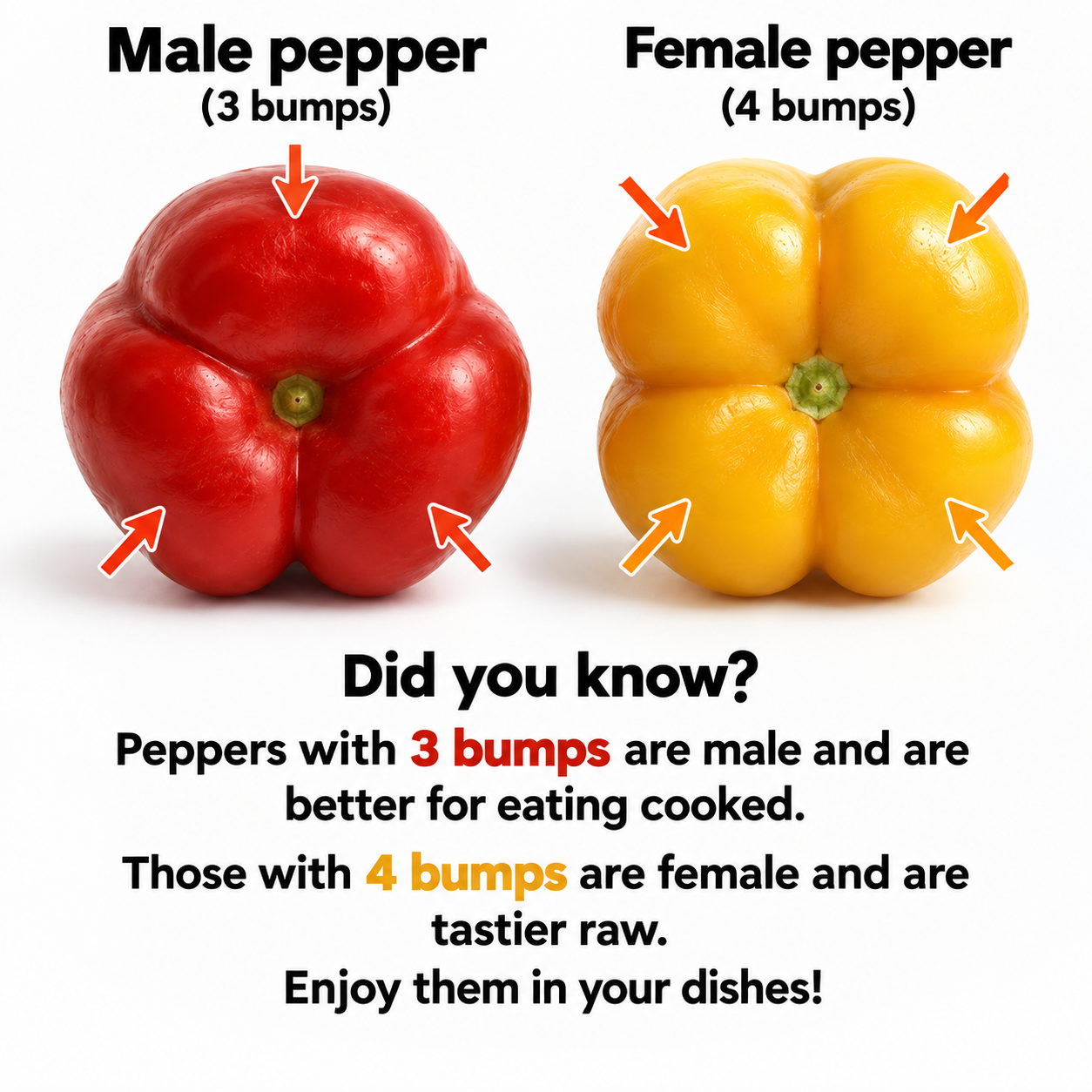
Male or Female Peppers — Myth or Truth?
There's a common myth that peppers can be male or female, identified by the number of lobes—three for male, four for female. Allegedly, male peppers are better for cooking, while female peppers are sweeter and better raw.
However, peppers don't have genders. The number of lobes is due to variety and growing conditions. All pepper flowers have both male and female parts. So, when choosing peppers, focus on their freshness, firmness, and color, not the number of lobes. Enjoy them as you like, regardless of these myths!
Buying Peppers
When buying peppers, look for ones that are firm, glossy, and vibrant in color. Avoid any with wrinkles, soft spots, or blemishes, as these indicate aging or damage. The stem should be green and fresh-looking, not dried out.
Size can vary depending on the type, but in general, the pepper should feel heavy for its size, indicating juiciness. If you're selecting hot peppers, a good rule of thumb is that smaller peppers tend to pack more heat. Whether you're choosing bell peppers, jalapeños, or habaneros, selecting fresh, high-quality peppers will ensure the best flavor and texture for your culinary endeavors.
How to Cut a Pepper

PUT ON GLOVES: Choose latex or nitrile gloves to protect your hands.
WASH AND DRY THE PEPPER: Rinse the pepper under cold water and dry it with a clean towel.
SLICE OFF THE TOP AND BOTTOM: Lay the pepper on its side and cut off the top and bottom to create flat surfaces.
STAND UPRIGHT AND CUT OPEN: Stand the pepper upright and make a vertical cut down one side.
UNROLL AND CUT: Lay flat and rotate the pepper while cutting, unrolling it like a sheet of paper.
REMOVE SEEDS AND PITH: Lay the pepper flat and use your knife to cut away the white pith and seeds. Discard them.
SLICE AS DESIRED: Depending on your recipe, slice the pepper into strips or dice it into smaller pieces.
REMOVE GLOVES CAREFULLY: Take off your gloves without touching the outside of them.
WASH YOUR HANDS: Wash your hands with soap and cold water to avoid worsening the burn.
Pepper Safety
Wear Gloves: Latex or nitrile gloves create a barrier between your skin and the capsaicin, the fiery compound in peppers.
Use a Sharp Knife: A sharp knife reduces the risk of slipping and causing accidents, ensuring clean cuts.
Avoid Touching Your Face: Keep your hands away from your eyes, nose, and mouth while handling peppers.
Cut Under Running Water: Slice the peppers under a gentle stream of cold water to wash away some of the capsaicin.
Chill Your Peppers: Refrigerating peppers before cutting can reduce the amount of capsaicin that gets on your hands.
Wash Hands Thoroughly: Scrub your hands with soap and cold water immediately after cutting peppers. Hot water can open pores and make the burn worse.
Rub with Oil: Before washing with soap, rub a little vegetable oil on your hands to help dissolve the capsaicin.
Baking Soda Paste: Mix baking soda with water to form a paste and rub it on your hands. This helps neutralize the capsaicin.
Lemon or Lime Juice: Rubbing your hands with lemon or lime juice can help break down the capsaicin and soothe the burn.
KEEP EXPLORING THE KITCHEN
There's always something new to discover in the kitchen! Whether you're experimenting with ingredients or brushing up on cooking techniques, explore more practical tips and recipes from The Organizer Man.
How to Cook Chicken Breasts Perfectly Every Time
Learn simple techniques for making tender, juicy chicken every time.
Types of Onions: How to Choose the Right Onion
Discover how different onion varieties can bring more flavor to your favorite dishes.