
Ideas to Make Everyday Life Easier
Organization, food, kitchen know-how, practical hacks, and inspiration to make home and everyday life better.
Types of Peppers: A Guide from Mild to Wild
From sweet bell peppers to fiery habaneros and Carolina Reapers, peppers come in an incredible range of flavors and heat levels. Explore 16 popular pepper varieties, compare their Scoville Heat Unit (SHU) ratings, discover their best culinary uses, and learn how to buy, cut and handle peppers safely.
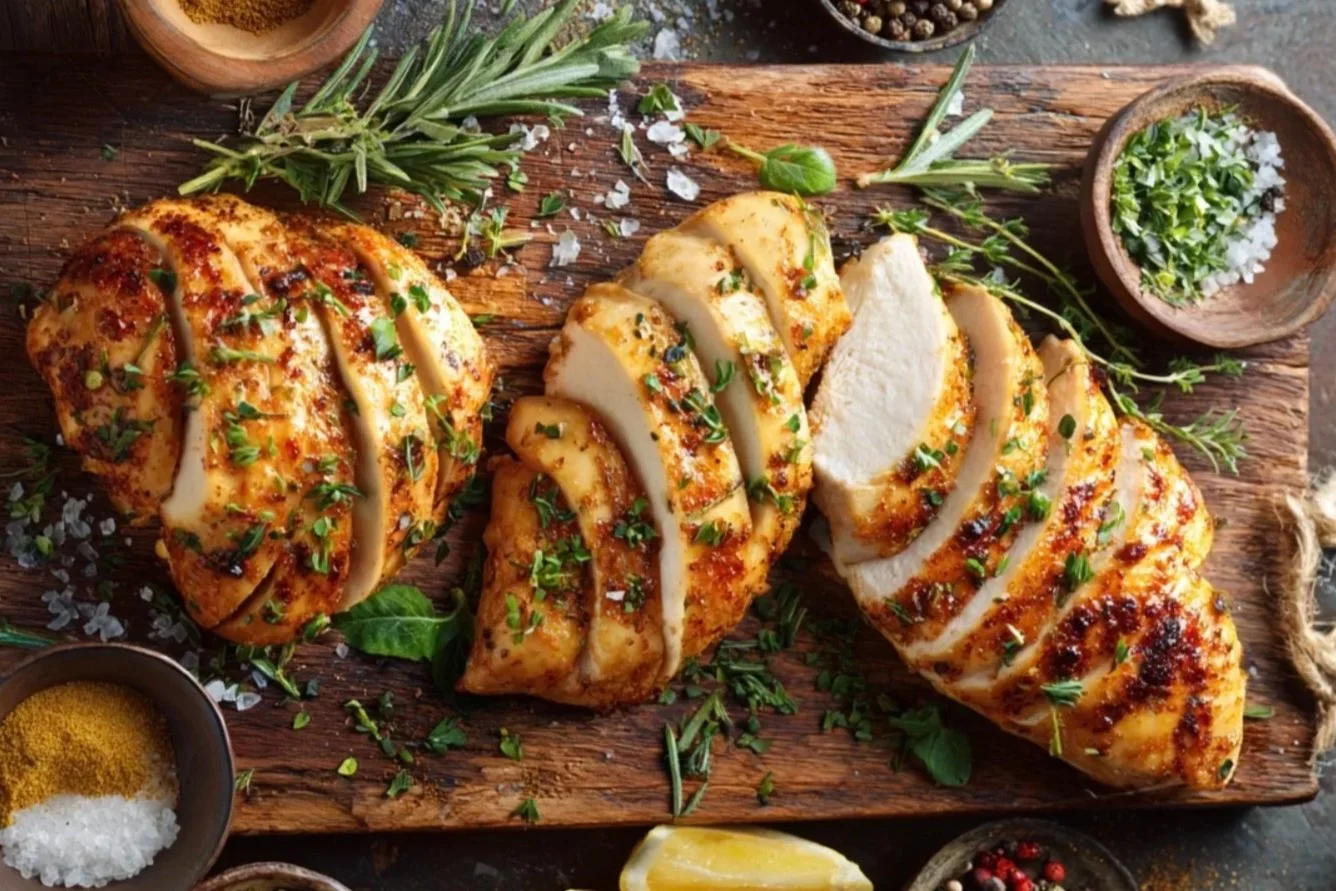
How to Cook Chicken Breasts Perfectly Every Time
Tired of dry, flavorless chicken? Learn how to cook chicken breasts perfectly every time with simple tips for juicy, tender results. From stovetop and oven baking to grilling and poaching, these foolproof techniques make chicken breast easy.
Types of Onions: How to Choose, Cut & Use Them
Yellow, white, red or sweet—does it really matter which onion you grab? From choosing the right onion to cutting it without the tears, here’s everything you need to know about one of the hardest-working ingredients in the kitchen.
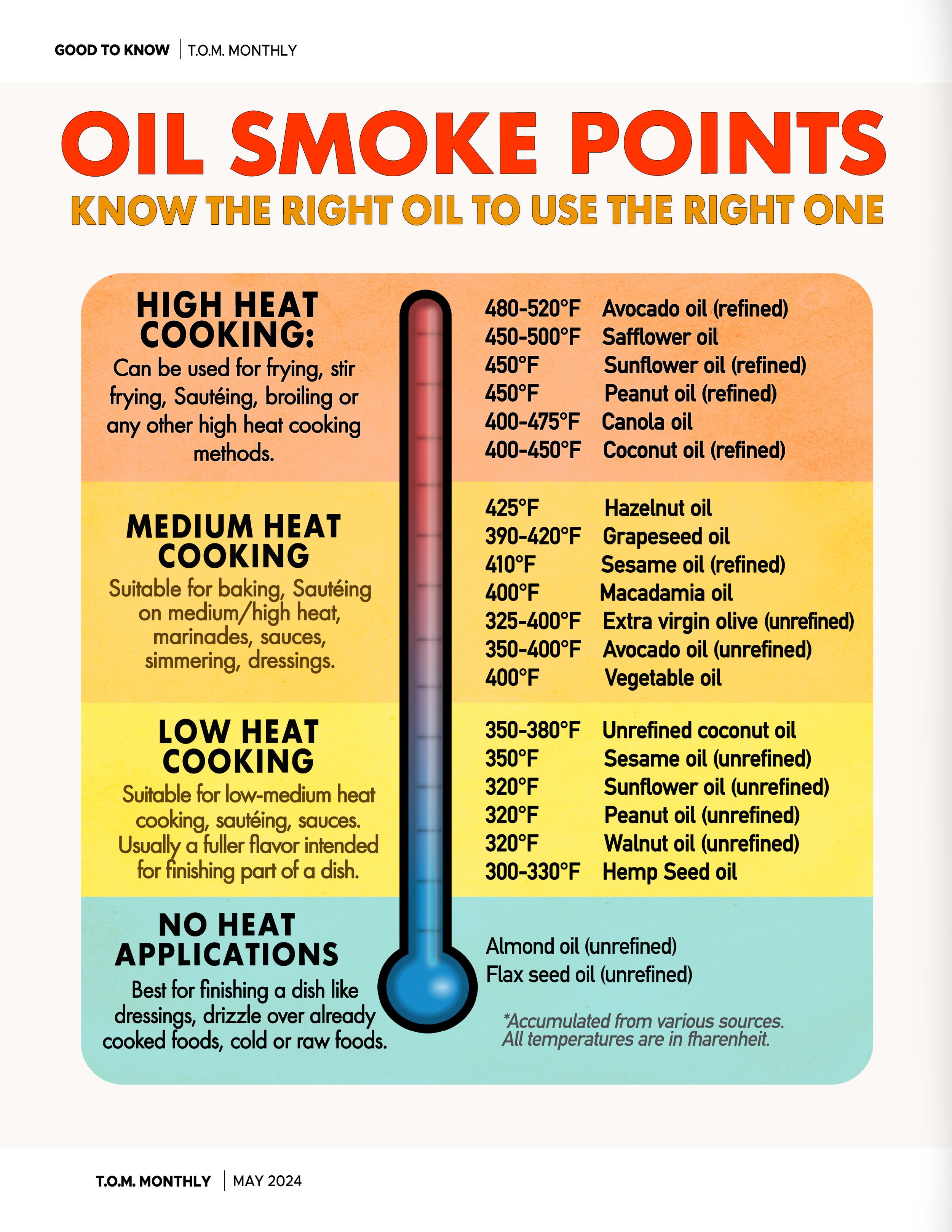
COOKING OILS 101-SMOKE POINTS
COOKING OILS 101-SMOKE POINTS-One of the primary considerations when choosing a cooking oil is its smoke point, which is basically the oil's version of throwing a kitchen tantrum. Imagine the oil saying, "I'm done!" and emitting smoke when it's had enough. Heating an oil beyond its smoke point can lead to the formation of harmful compounds and a burnt taste in your food, turning your culinary masterpiece into a kitchen disaster faster than you can say, "Call for takeout!"
So, remember, oils with higher smoke points are the kitchen daredevils, ready to take on the fiery flames of high-heat cooking methods like frying and stir-frying. Meanwhile, those with lower smoke points are more like delicate souls, best reserved for gentle cooking or as finishing oils, lest they throw a smoke-filled fit and ruin your meal faster than you can say, "Oops, I did it again!"