
Types of Onions: How to Choose, Cut & Use Them
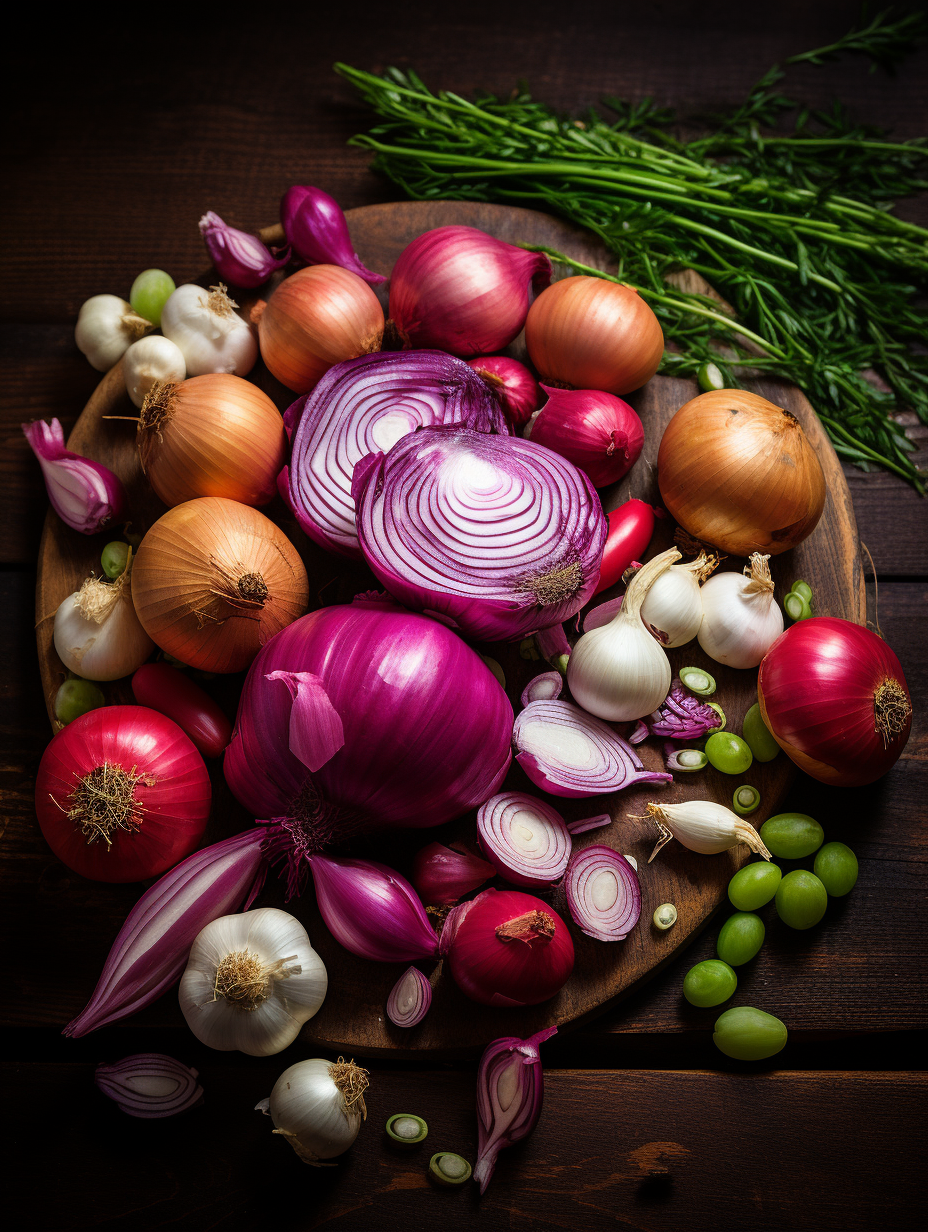
ONIONS, ONIONS, ONIONS!
Onions have been adding flavor—and occasionally tears—to our kitchens for thousands of years. Today, they're one of the most useful ingredients a cook can keep on hand.
From dependable yellow onions to crisp reds, sharper whites and wonderfully mild sweet onions, each brings something a little different to the kitchen. Then there are their close relatives in the allium family—shallots, green onions, leeks, ramps and garlic—which give us even more ways to add layers of flavor.
So, which one should you buy? How should you cut it? And why does chopping one sometimes leave you crying over the cutting board?
Let's peel back a few layers.
What Type of Onion Did I Even Buy?
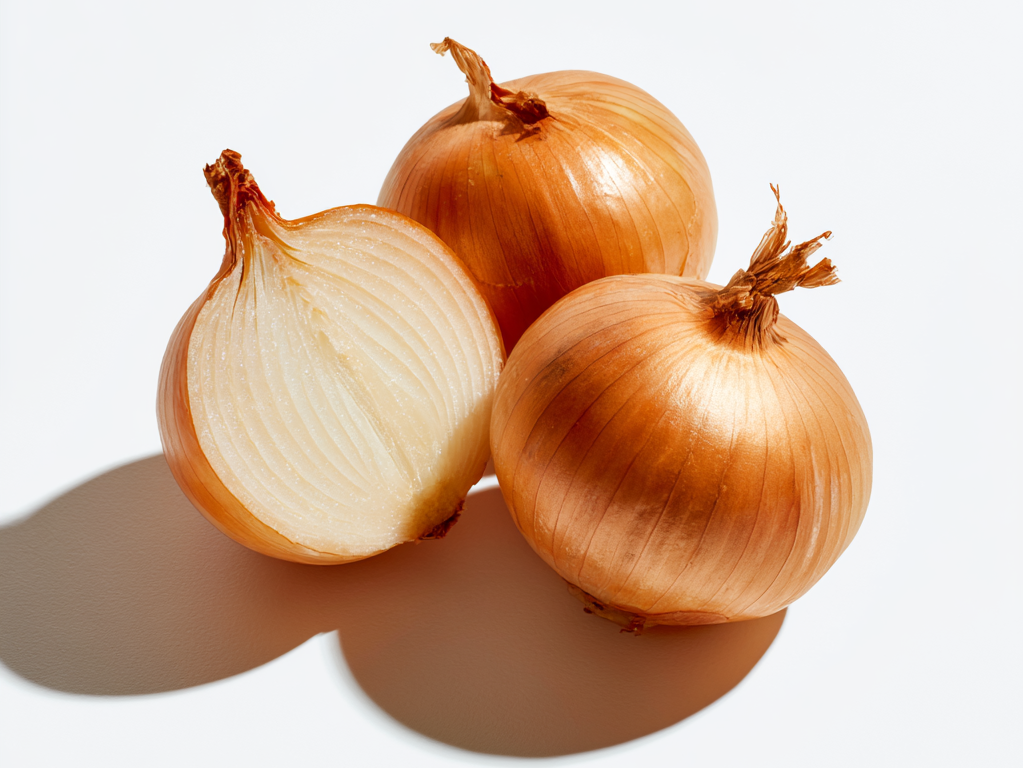
YELLOW ONION
What it is: The everyday workhorse of the kitchen, usually with golden-brown papery skin and white flesh.
Taste: Savory and fairly pungent when raw; sweeter and richer as it cooks.
How to Buy: Choose firm, heavy onions with dry, papery skin and no soft spots.
How to Use: Soups, stews, sauces, sautés, roasts and caramelized onions. When a recipe simply says “onion,” yellow is usually a safe choice.
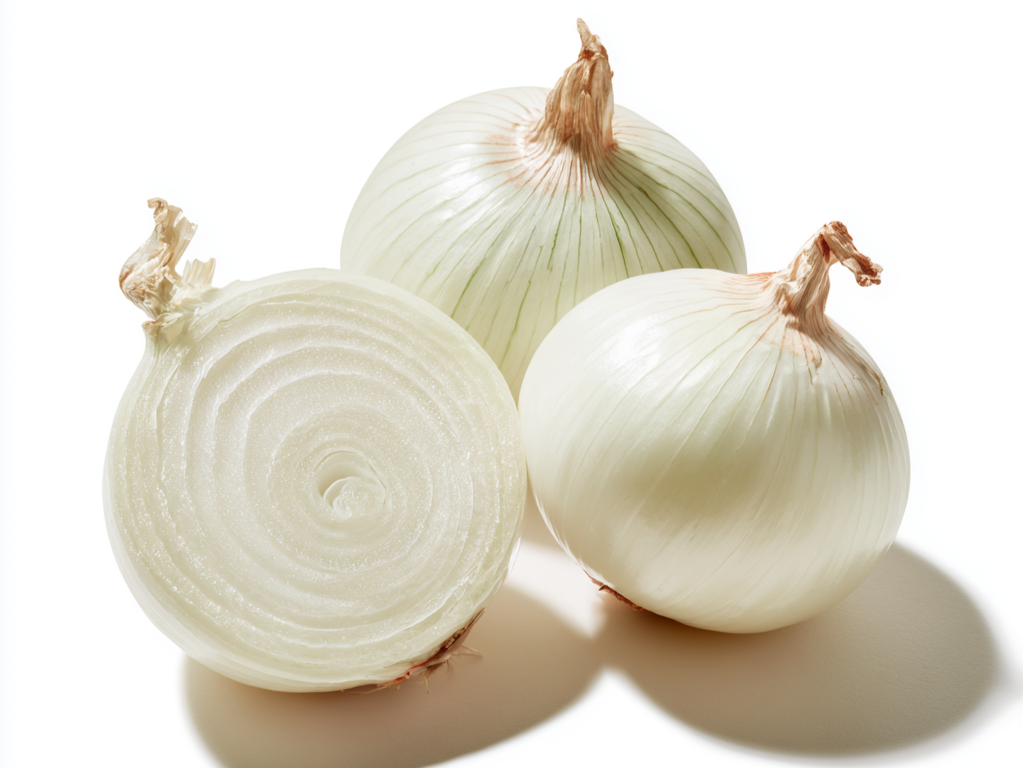
White Onion
What it is: A white-skinned bulb onion with crisp white flesh.
Taste: Clean, crisp and often sharper than a sweet onion.
How to Buy: Look for firm bulbs with dry skin and no soft or discolored areas.
How to Use: Excellent in salsa, guacamole, tacos and other dishes where you want a noticeable onion flavor.
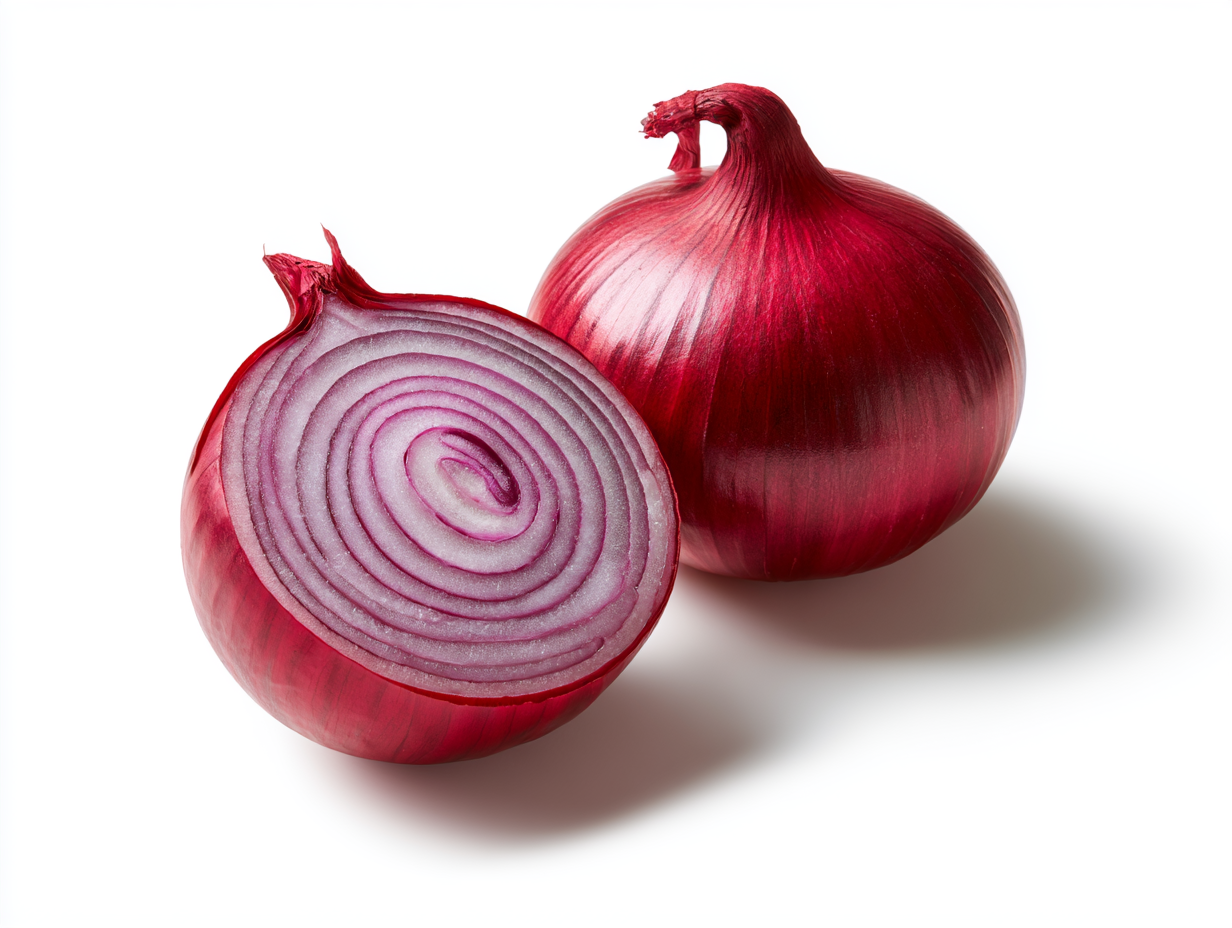
Red Onion
What it is: A beautiful red-purple onion with crisp white-and-purple flesh.
Taste: Crisp and pungent, though the intensity varies by onion.
How to Buy: Choose firm, heavy onions with dry skins and no soft spots.
How to Use: Great raw in salads, sandwiches and burgers; excellent pickled, roasted or grilled.
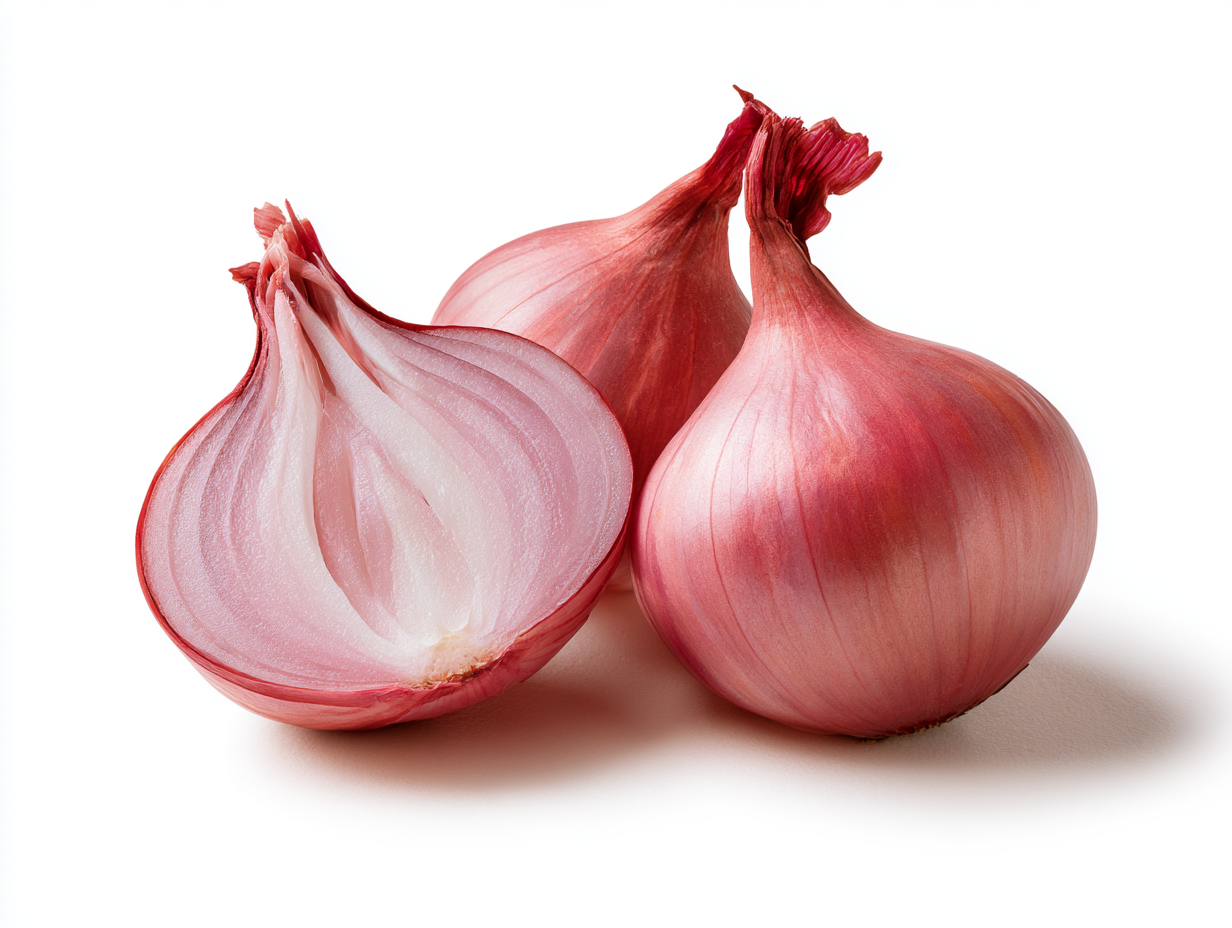
SHALLOTS
What it is: Small, elongated bulbs with papery copper, reddish or gray skin.
Taste: Delicate, aromatic and onion-like.
How to Use: Wonderful in vinaigrettes, sauces, sautés and roasted dishes.
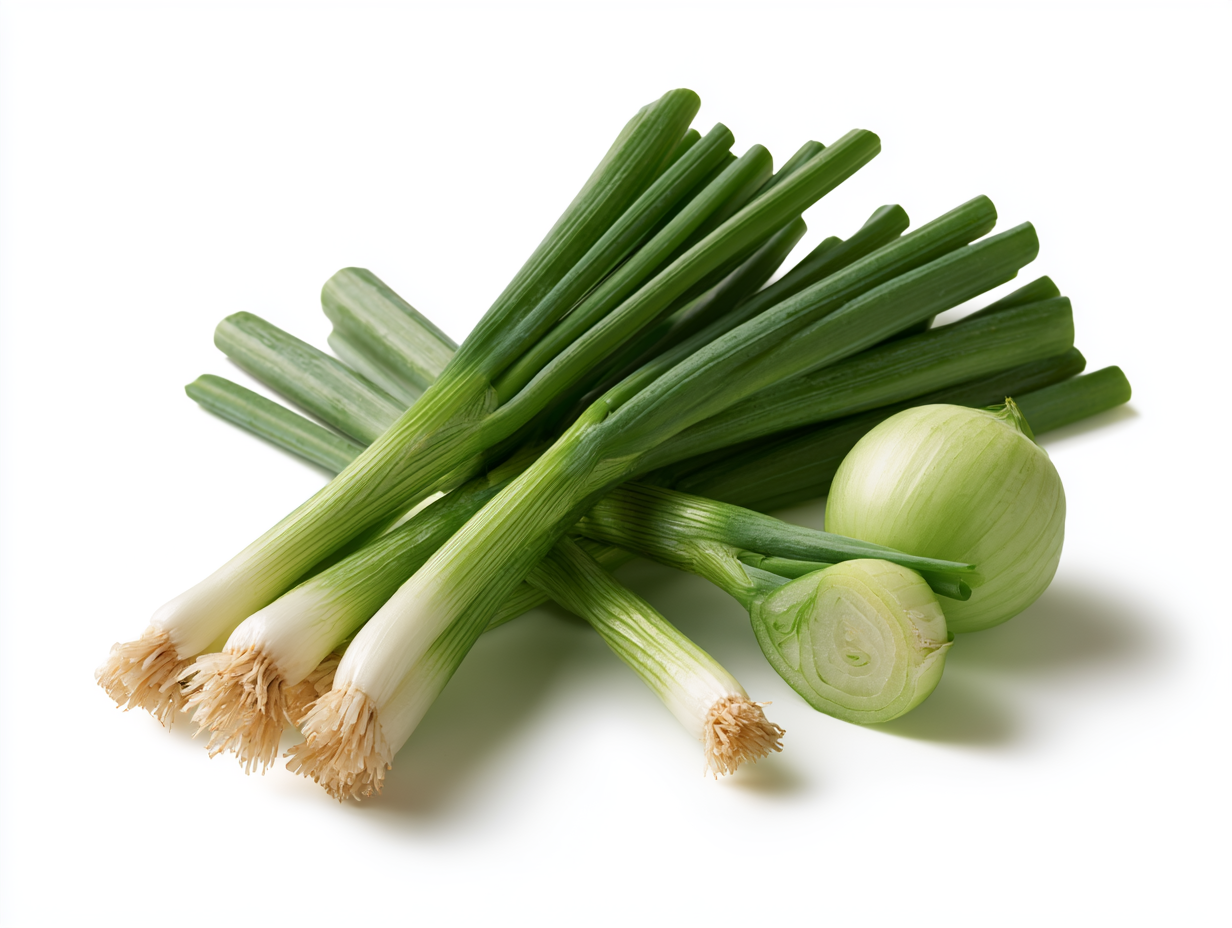
Green Onions
What is it: Long, slender green tops with white bases.
Taste: They're harvested young and have a much milder flavor than mature bulb onions.
How to Use: Salads, stir-fries, eggs, soups, baked potatoes and garnishes.
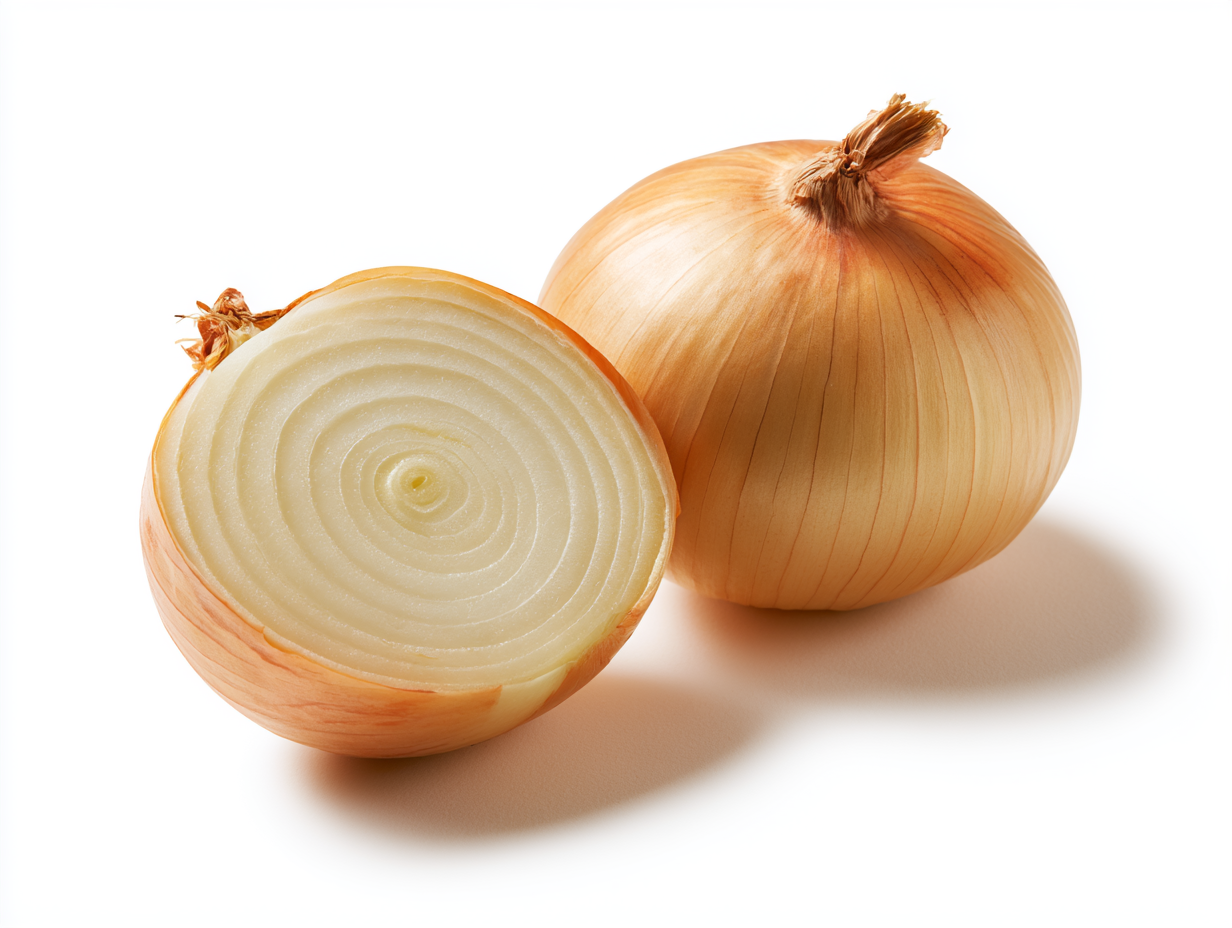
SWEET ONIONS
What is it: Vidalia, Walla Walla and other sweet onions contain more water and tend to be milder than traditional storage onions.
Taste: Mild and sweet, especially when cooked.
How to Buy: Look for firm onions without bruises or soft spots.
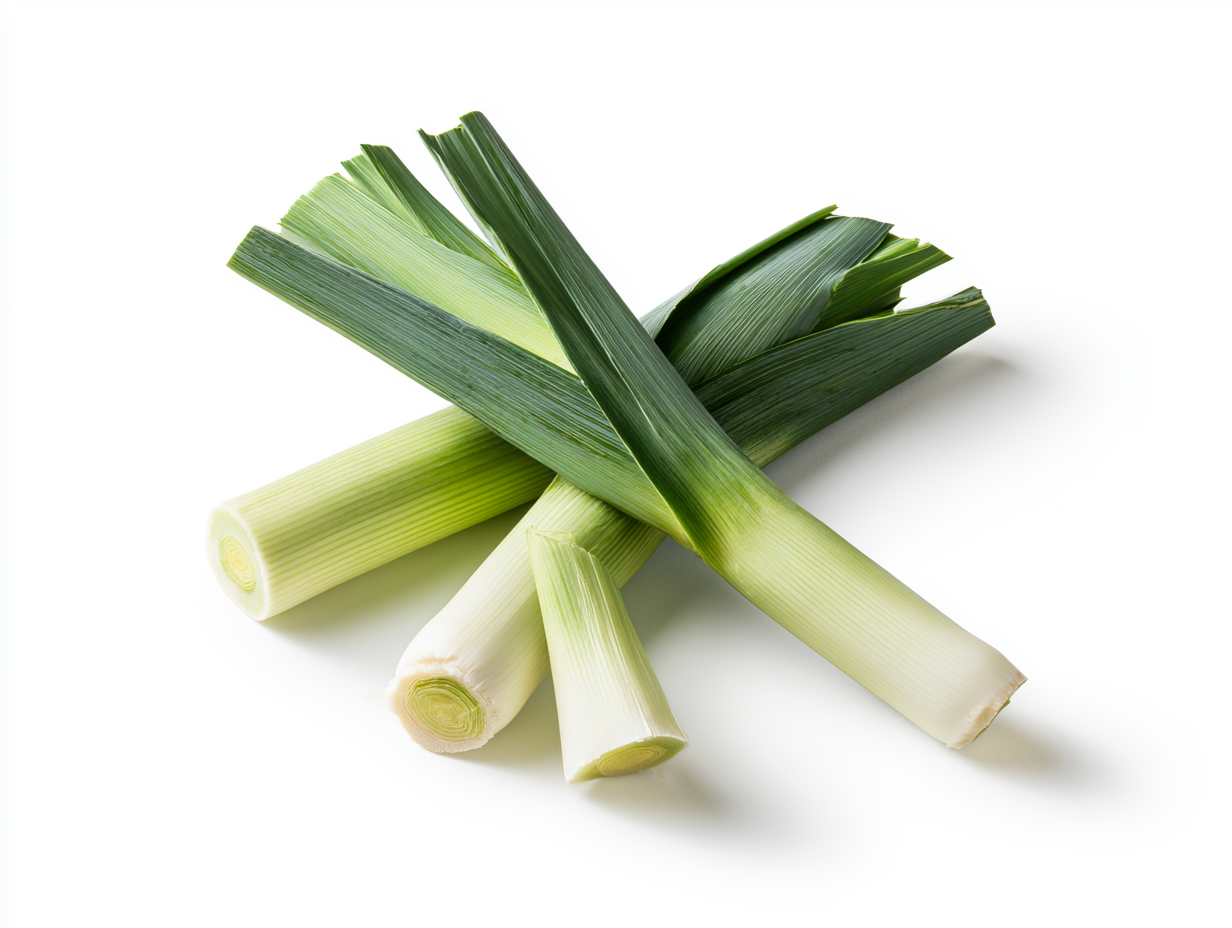
Leeks
What it is: Leeks have long white-to-light-green shanks topped with broad, flat, dark-green leaves.
Taste: Mild, savory and gently onion-like.
How to Use: Soups, stews, potato dishes, pasta and sautés.
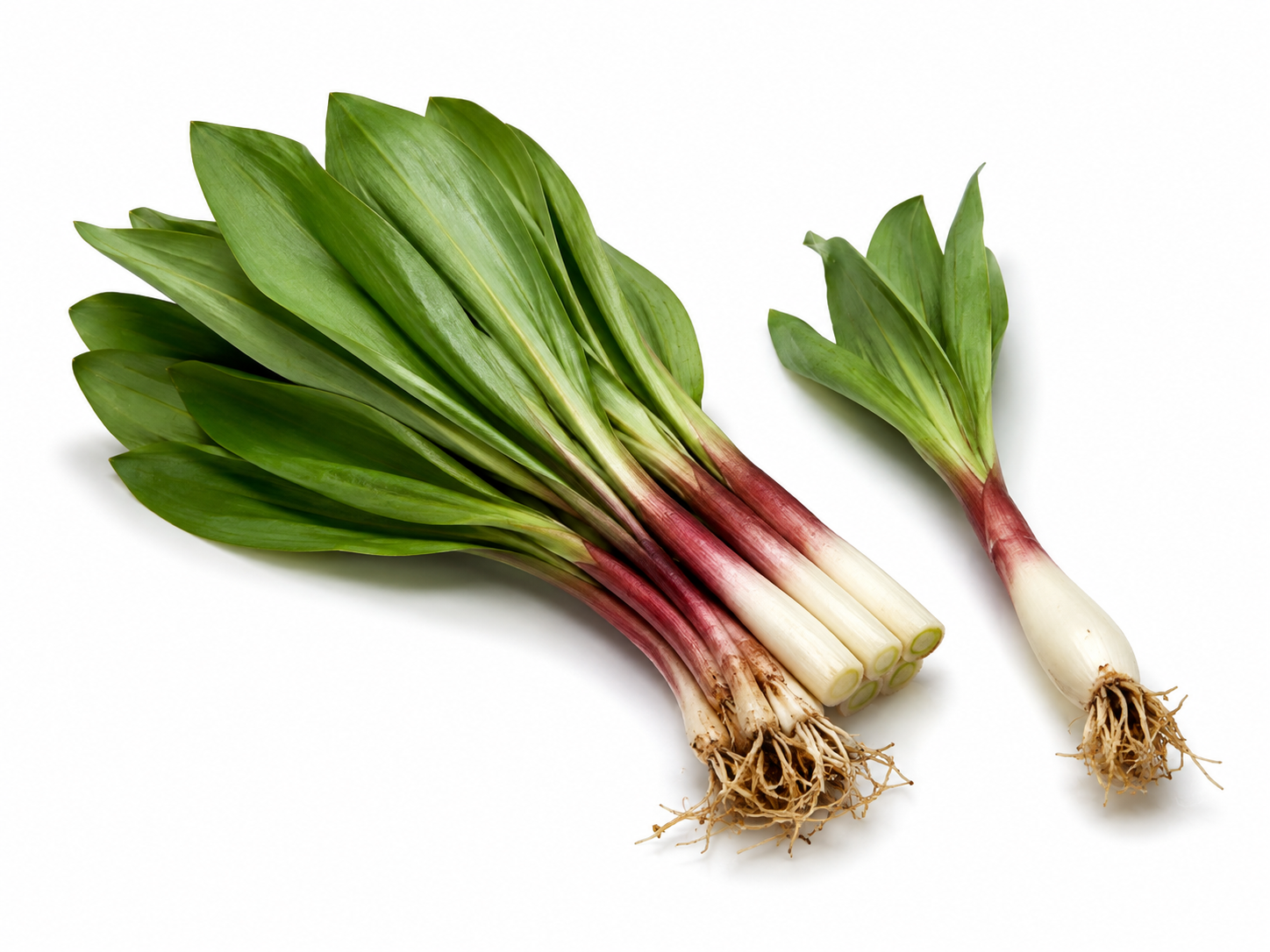
Ramps
What it is: Ramps are a wild allium native to eastern North America and are sometimes called wild leeks.
Taste: Pungent, somewhere between onion and garlic.
How to Use: Pesto, eggs, potatoes and sautés.

Garlic
What it is: Garlic isn't an onion, but it is a close relative in the allium family.
Taste: Pungent and aromatic, becoming sweeter and mellower when cooked.
How to Use: The better question might be: What can't you use garlic in?

How to Cut an Onion… And Cry a Little Less
First, use a stable cutting board and a sharp knife. A sharp knife makes cleaner cuts and crushes fewer onion cells than a dull one.
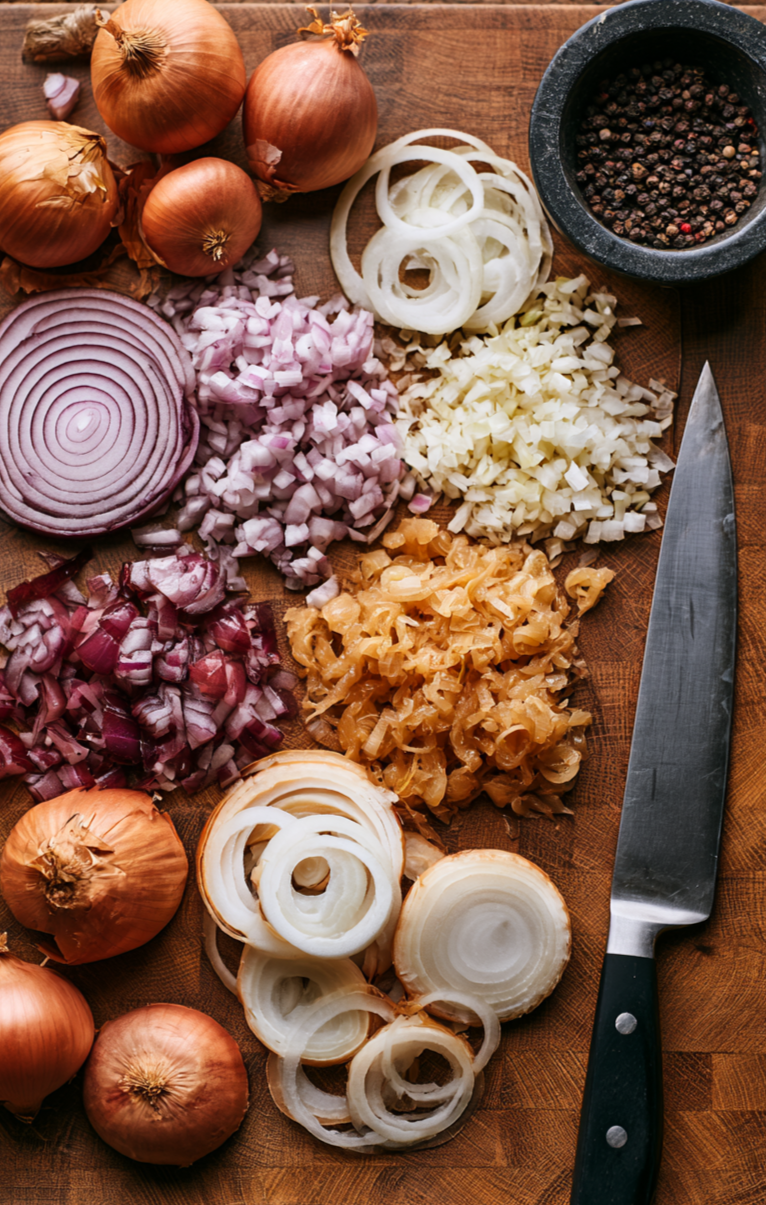
Diced Onion
Cut the onion in half from stem to root and remove the papery skin. Place the cut side flat on your board. Keep the root end intact while making lengthwise cuts toward it, then cut across the onion to create the dice.
Sliced Onion
Cut the onion in half and remove the skin. Place the flat side down and make thin, even slices.
Onion Rings
Remove the skin and slice the whole onion crosswise into rounds. Separate the rounds into rings.
Minced Onion
Dice the onion first, then continue chopping until the pieces are as fine as you need them.
Grated Onion
Peel the onion and grate it carefully using a box grater or similar tool. Grated onion is useful when you want onion flavor without noticeable pieces.
Why Do Onions Make You Cry?

When you cut an onion, you damage its cells and set off a chemical reaction that produces an airborne irritant. When that irritant reaches your eyes, your tear glands respond by trying to wash it away.
In other words, you're not getting emotional over dinner. Your eyes are defending themselves.
How Can I Reduce Onion Tears?
Start with a chilled onion. Refrigerating an onion before cutting may help slow the chemical reactions that produce the irritant.
Use a sharp knife. Cleaner cuts mean less crushing of the onion's cells.
Use good ventilation. A kitchen exhaust fan or nearby airflow can help move the irritating compounds away from your face.
Wear onion goggles if you must.Yes, they look ridiculous. Yes, they can create a physical barrier between your eyes and the onion fumes. We'll let you decide whether dinner is worth the fashion statement.
Sweet Onions vs. Storage Onions
This distinction is useful when you're deciding not only what to cook, but how long those onions are likely to keep.
Storage Onions
Dry or storage onions are mature bulb onions that have been cured after harvest. Good storage varieties can last for months when kept under proper conditions.
They're terrific for:
Soups
Stews
Sauces
Roasting
Sautéing
Caramelizing
Everyday cooking
Sweet Onions
Sweet onions such as Vidalia and Walla Walla are prized for their mild flavor. They tend to have a higher water content and generally don't keep as long as good storage varieties.
They're especially good for:
Salads
Sandwiches
Burgers
Grilling
Light cooking
Caramelizing
Which Onion Should I Use?
Pickling
Red onions:The superstar. Quick-pickled red onions are colorful, tangy and fantastic on tacos, sandwiches and salads.
Pearl onions:Their small size makes them a classic choice for pickling.
Shallots:Another delicious option when you want something a little different.
Sandwiches, Burgers, Tacos
Red onions: Crisp and colorful.
White onions:Great when you want a stronger raw-onion bite.
Sweet onions:A good choice for people who want raw onion without quite as much punch.
Garnishing
Green onions:Easy, fresh and colorful on soups, eggs, potatoes and countless other dishes.
Crispy fried onions:Because sometimes what dinner really needs is crunch.
Marinades & Dressings
Shallots:Particularly good in vinaigrettes.
Green onions: Add fresh onion flavor without overpowering everything else.
Soups & Stews
Yellow onions: The dependable choice for a savory base.
Leeks: Excellent when you want a milder, more delicate onion flavor, especially in creamy soups.
Red onions: Can be used, but may add color to a pale broth or sauce.
Salads
Red onions: Crisp, colorful and flavorful raw.
Green onions: Mild and great in potato, pasta and egg salads.
Shallots: Excellent when you want a subtler onion flavor.
Cooking & Sautéing
Yellow onions: The all-purpose choice for sauces, pasta dishes, stir-fries and countless everyday recipes.
White onions: Great when you want a crisp, assertive onion flavor.
Sweet onions: Excellent when you want mildness and sweetness.
Roasting & Grilling
Red onions: Hold up nicely and become sweeter when cooked.
Sweet onions: Terrific on the grill.
Yellow onions: Develop deep, savory sweetness when roasted.
The Onion & Folklore
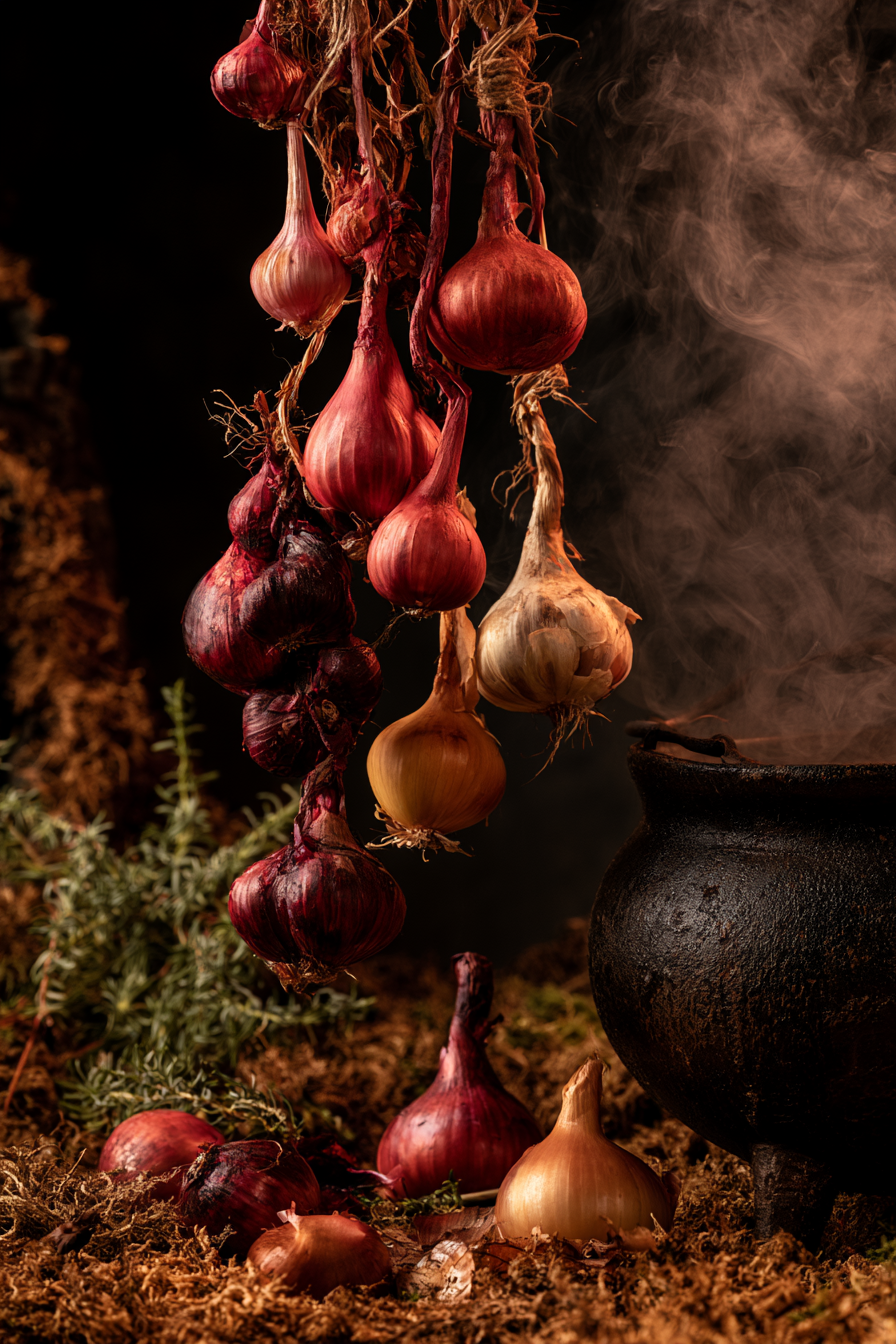
Crystal Balls, Weather Predictions and Healing Powers?
Onions have accumulated plenty of folklore during their long relationship with humans.
At different times and places, people have attributed protective, medicinal, and even predictive powers to onions. Folklore has included hanging onions as protection, using them in folk remedies, and even attempting to predict winter weather from the thickness of onion skins.
Those traditions are fascinating pieces of cultural history—but they shouldn't be confused with modern medical or meteorological advice. And perhaps that's part of what makes the humble onion so interesting.
It can be an everyday kitchen staple, the beginning of a great soup, the topping on your burger, the reason you're crying over your cutting board—and the subject of centuries of stories and superstition.
Not bad for something that spends most of its life underground.