
Welcome to
The Organizer MAn BLOG
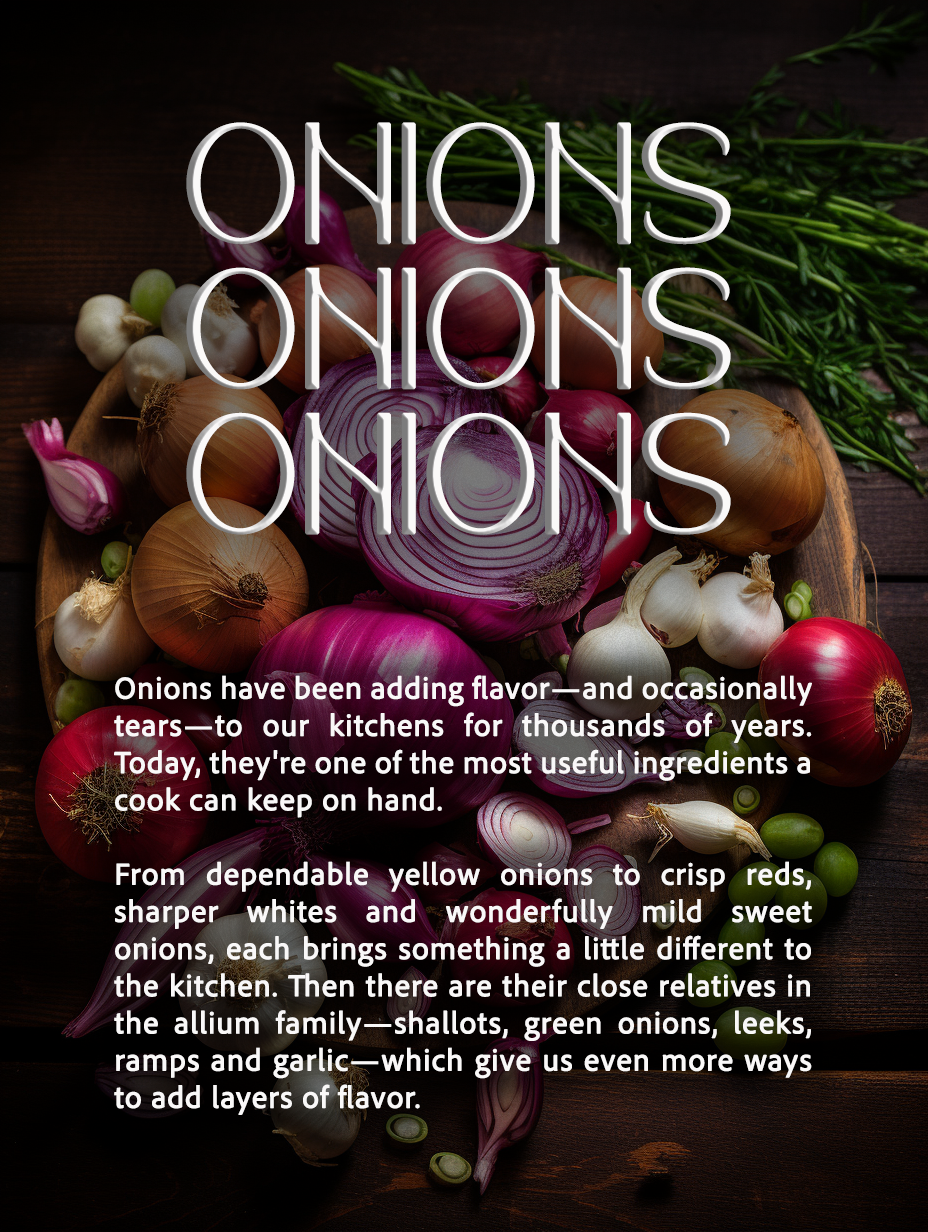
Types of Onions: How to Choose, Cut & Use Them
Yellow, white, red or sweet—does it really matter which onion you grab? From choosing the right onion to cutting it without the tears, here’s everything you need to know about one of the hardest-working ingredients in the kitchen.

PEPPERS PEPPERS PEPPERS
Peppers: More Than Just a Kick in the Taste Buds. Let’s talk peppers—those colorful little flavor bombs that can take your cooking from bland to bold in no time. Whether you’re a fan of the sweet, crunchy bell pepper or the fiery habanero that makes you question your life choices, peppers have been a kitchen staple for centuries. They originated in the Americas, where indigenous people were growing them long before Columbus showed up and took credit for everything.
In this article, we’re diving into the world of peppers—from the mild and versatile to the downright dangerous (we’re looking at you, Carolina Reaper). You’ll learn about their unique flavors, the best ways to use them, and maybe even discover a new favorite. So, whether you're a spice seeker or just looking to add a little color to your plate, this one’s for you. Grab a glass of milk and let’s get started!
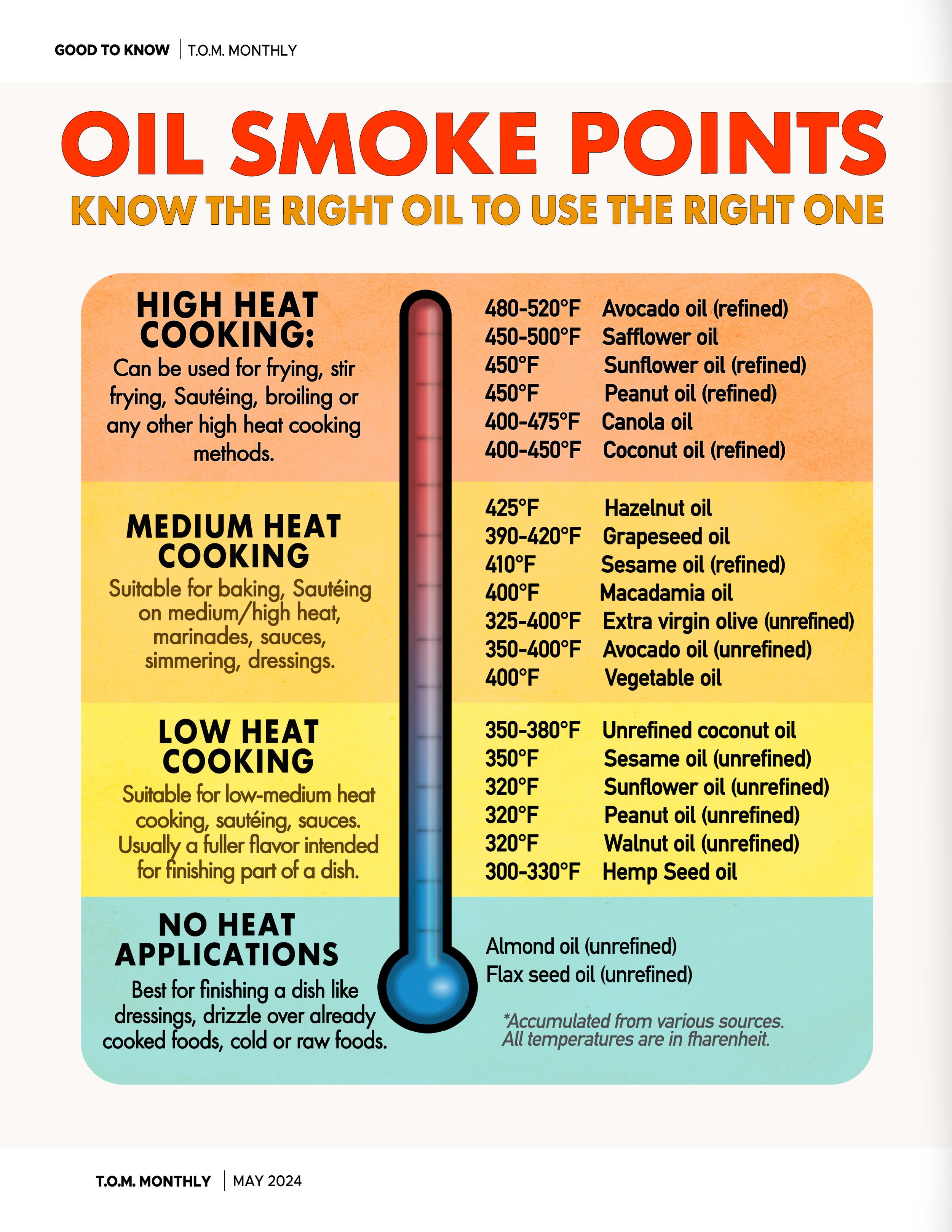
COOKING OILS 101-SMOKE POINTS
COOKING OILS 101-SMOKE POINTS-One of the primary considerations when choosing a cooking oil is its smoke point, which is basically the oil's version of throwing a kitchen tantrum. Imagine the oil saying, "I'm done!" and emitting smoke when it's had enough. Heating an oil beyond its smoke point can lead to the formation of harmful compounds and a burnt taste in your food, turning your culinary masterpiece into a kitchen disaster faster than you can say, "Call for takeout!"
So, remember, oils with higher smoke points are the kitchen daredevils, ready to take on the fiery flames of high-heat cooking methods like frying and stir-frying. Meanwhile, those with lower smoke points are more like delicate souls, best reserved for gentle cooking or as finishing oils, lest they throw a smoke-filled fit and ruin your meal faster than you can say, "Oops, I did it again!"

homemade cream cheese
Making homemade cream cheese is surprisingly simple, and the results are nothing short of magical. With just a few basic ingredients and a little patience, you can create a rich, creamy, and tangy spread that outshines anything you’ll find at the store. Imagine slathering a fresh bagel with cream cheese so velvety it melts on your tongue or using it to elevate your favorite cheesecake recipe with a homemade touch. Whether you’re a seasoned home cook or a curious kitchen newbie, this is one of those DIY projects that feels both accessible and rewarding. Plus, you get complete control over the ingredients—no mysterious additives, just pure, delicious creaminess. Once you’ve tasted the difference, you may never go back to store-bought again!

Copycat Lipton dry onion soup mix
THE ORGANIZER MAN-Copycat Lipton dry onion soup mix

ONIONS, ONIONS, ONIONS!
From the April 2024 premier issue of THE ORGANIZER MAN MONTHLY
In this flavorful GOOD TO KNOW deep dive, we’re peeling back the layers on everything onions! ONIONS, ONIONS, ONIONS covers the different types you’ll find, the best ways to cut them (and save your eyes), how to store them to avoid science experiments in your pantry, and creative ways to use them in the kitchen. Plus, we’ll sprinkle in some fun onion folklore—did ancient civilizations really think onions could ward off evil spirits? Spoiler alert: they did!