
IN THE KITCHEN
The Door Shelf Makeover
Condiments, creamers, and chaos.
If your refrigerator door sounds like a percussion section every time you open it, congratulations — you own a normal fridge. The door shelf is where good intentions go to rattle around together: half-used sauces, mystery jars, expired creamers, and that one bottle of something “artisanal” you bought because it felt like self-care.
This is not a deep clean. This is a functional reset. Four pages. Five smart moves. No Pinterest fantasy. Just a door that opens without fear.
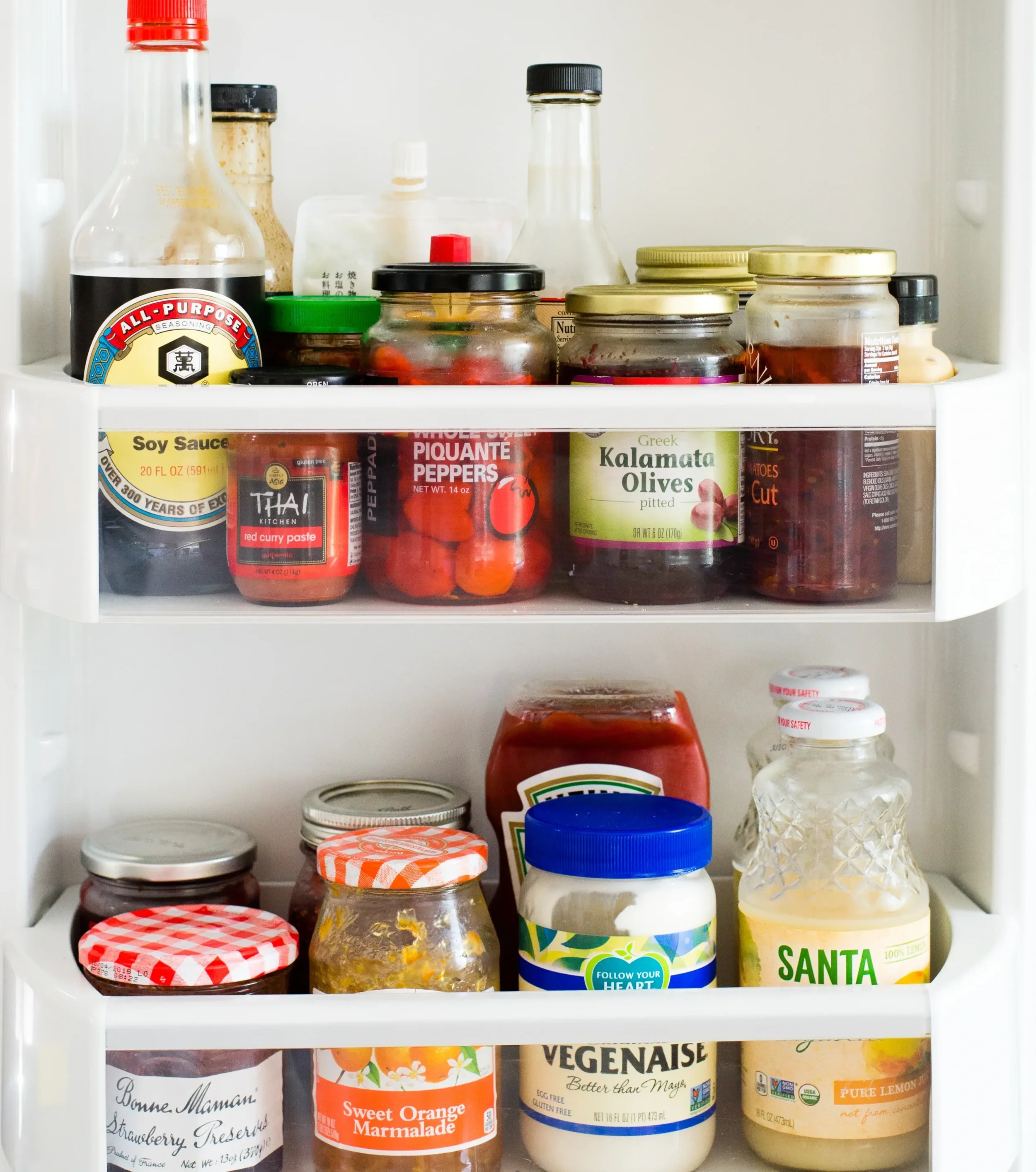
The Great Door Dump (Yes, everything comes out)
Before we organize, we expose.
Take everything off the door. Every bottle. Every jar. Every leaky squeeze container that’s been slowly gluing itself to the shelf since last summer.
Do this first:
Toss anything expired (no guilt — it lived a full life).
If it’s sticky on the outside, it gets washed or it doesn’t go back.
If you don’t recognize it at all, that’s your answer.
Why this matters:
You cannot organize chaos while it’s still screaming at you. Empty space gives you clarity — and a chance to clean shelves that haven’t seen daylight since the Obama administration.
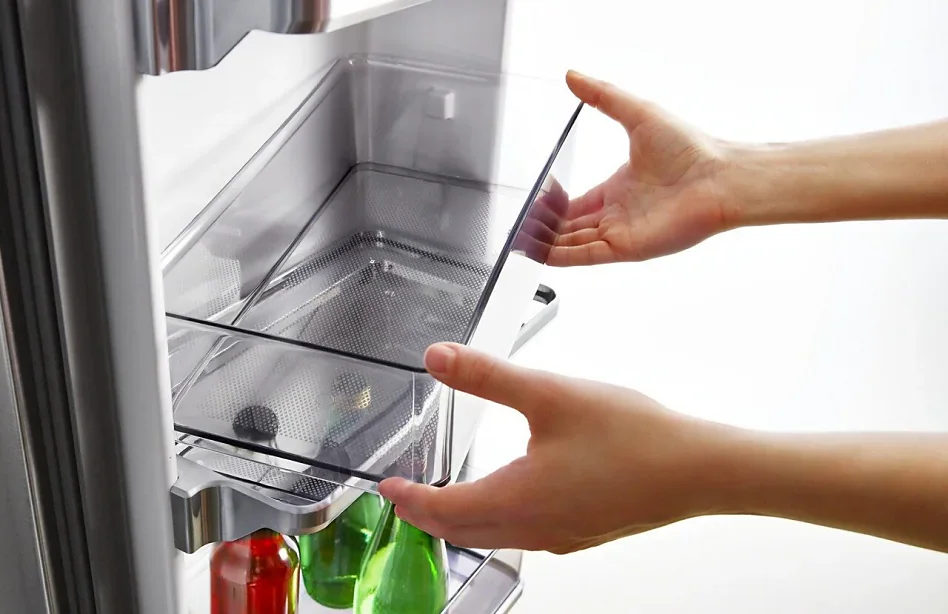
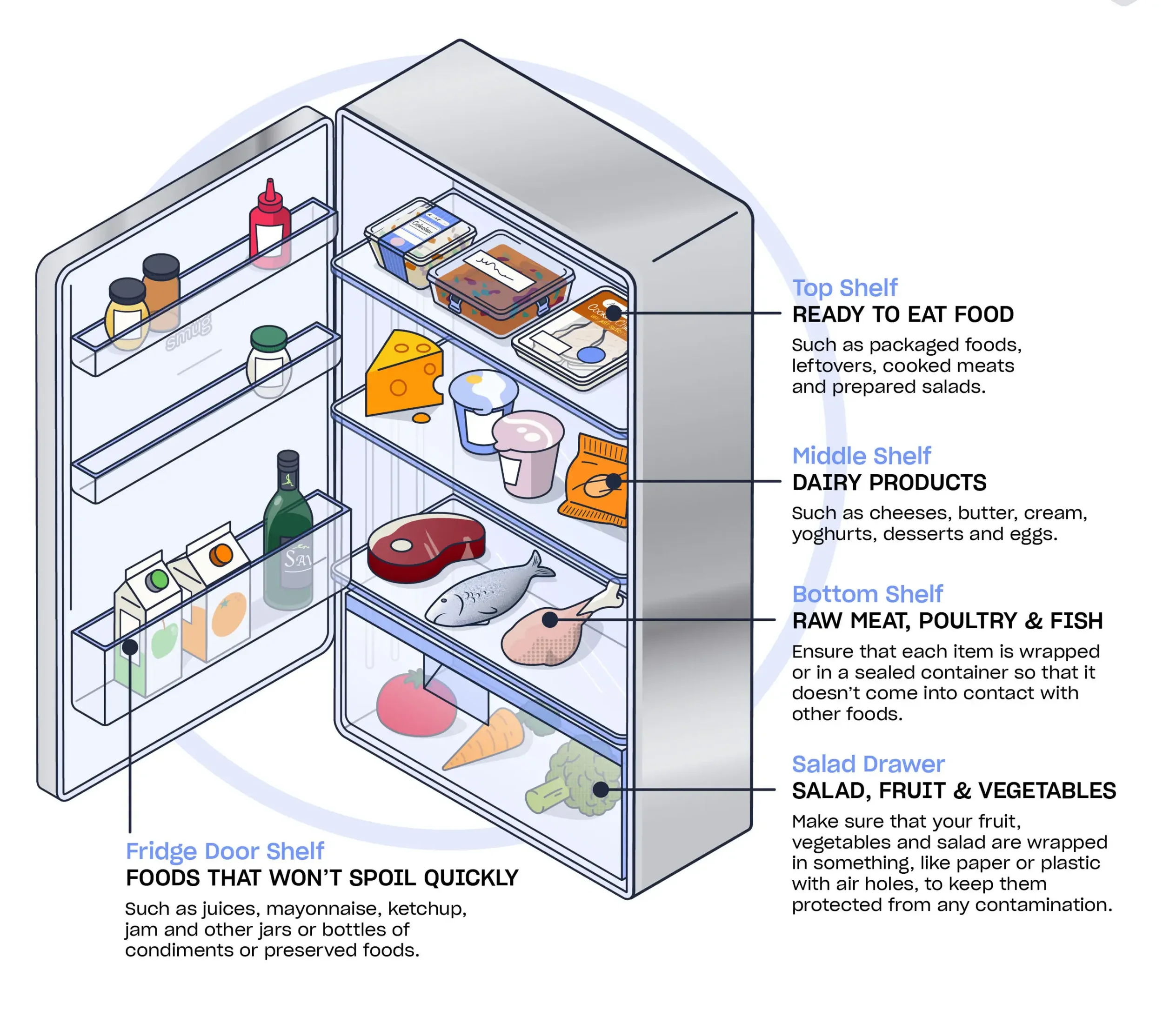
The Door Is Not a Pantry (What actually belongs here)
Here’s the truth nobody wants to hear:
The fridge door is the warmest part of the refrigerator.
So no, everything does not belong there.
DOOR-APPROVED ITEMS
Condiments (ketchup, mustard, mayo, salad dressings)
Pickles, olives, relish
Juice boxes, soda cans
Butter (if you use it daily)
Commercial creamers (not fresh dairy)
NOT IDEAL FOR THE DOOR
Milk (especially if it spoils fast)
Eggs
Fresh dairy you’re precious about
Anything you’d cry over if it went bad early
Organizer Man rule:
If temperature consistency matters, move it inward. The door is for things that can handle a little drama.
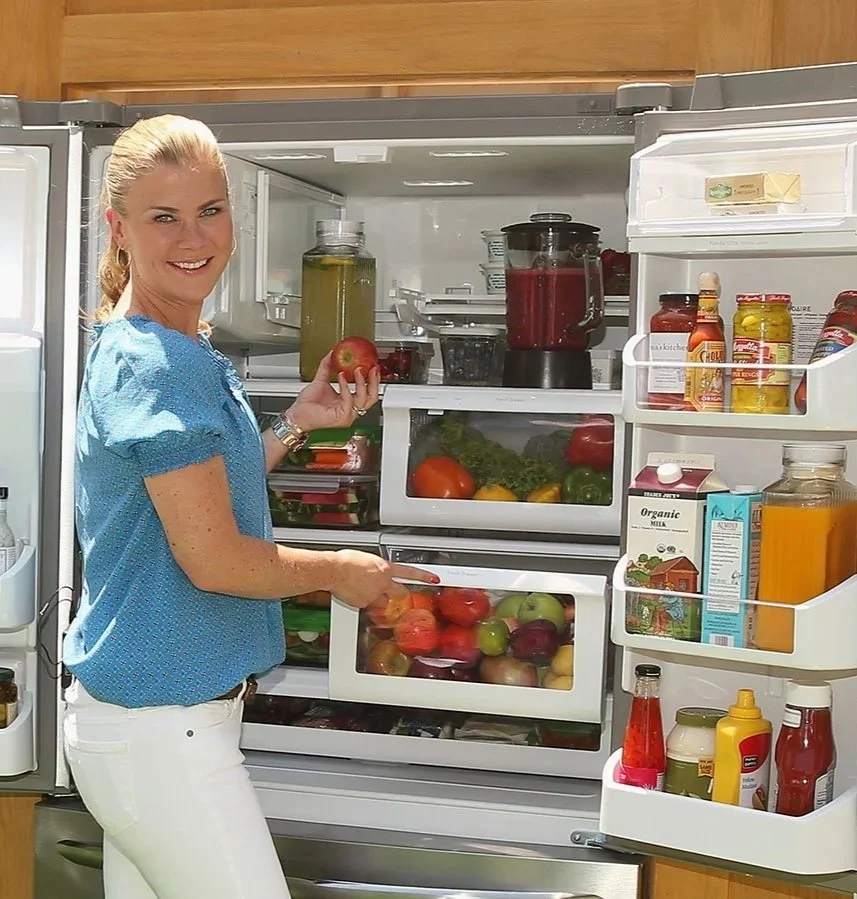
Zones Beat Perfection (Give chaos a job)
This is where order quietly moves in.
Create zones, not rows.
Suggested Door Zones
Top Shelf: Daily grabs
(coffee creamers, go-to sauces)Middle Shelf: Tall bottles
(ketchup, salad dressing, soy sauce)Bottom Shelf: Heavy & awkward
(juice, wine bottles, large containers)
Pro move:
Use clear bins inside the door shelves if space allows:
One bin for “sandwich stuff”
One for “salad & dinner sauces”
One for “breakfast things”
You’re not lining things up to impress guests. You’re making it easier to put things back without thinking.
That’s the win.
90 Second Maintenance (The part that keeps it from falling apart)
The secret to an organized fridge door is not effort.
It’s small, boring habits.
Once-a-week reset (seriously, 90 seconds):
Wipe visible drips.
Toss anything empty or questionable.
Straighten bottles so they’re facing forward (labels visible = fewer duplicates).
Once-a-month check:
Pull everything forward.
Do a quick expiration scan.
Adjust zones if your habits changed (seasons matter).
Final truth:
The door shelf will never be perfect. It will always be a little chaotic. That’s fine. Its job is accessibility — not beauty.
If it opens quietly, closes easily, and you can find the mustard without swearing…
The makeover worked.
The Takeaway
The refrigerator door isn’t where organization goes to die.
It’s where smart boundaries turn noise into usefulness.
Condiments contained. Creamers controlled. Chaos — managed.